The Thousand Years — An Evidence Experience
Revelation 20:7 · As the 1611 gave it
‘And when the thousand yeeres are expired, Satan shall be loosed out of his prison,’
For a thousand years, a civilization ordered everything it had around God. Then, around 1500, something broke. Walk the timeline.
Choose your depth
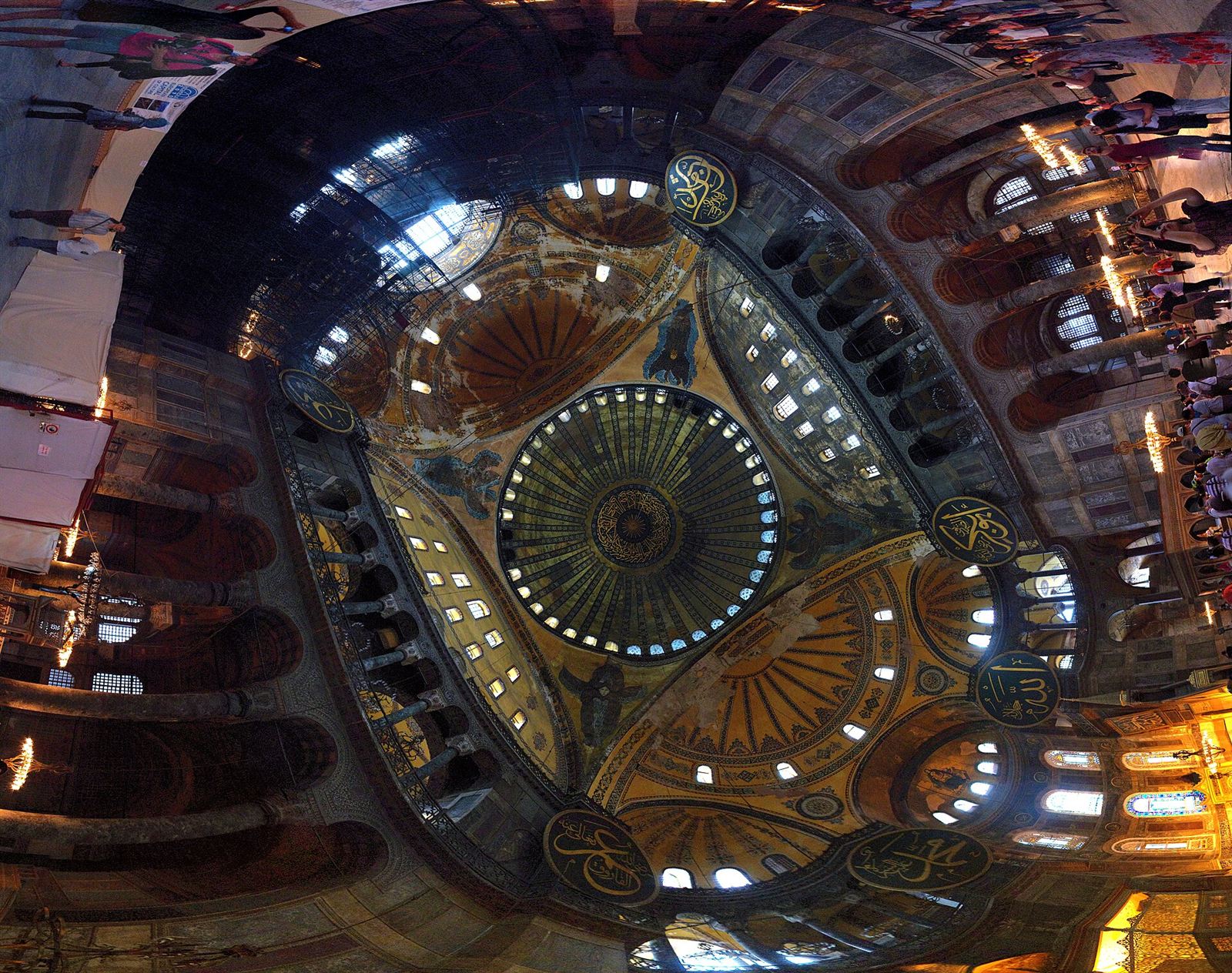
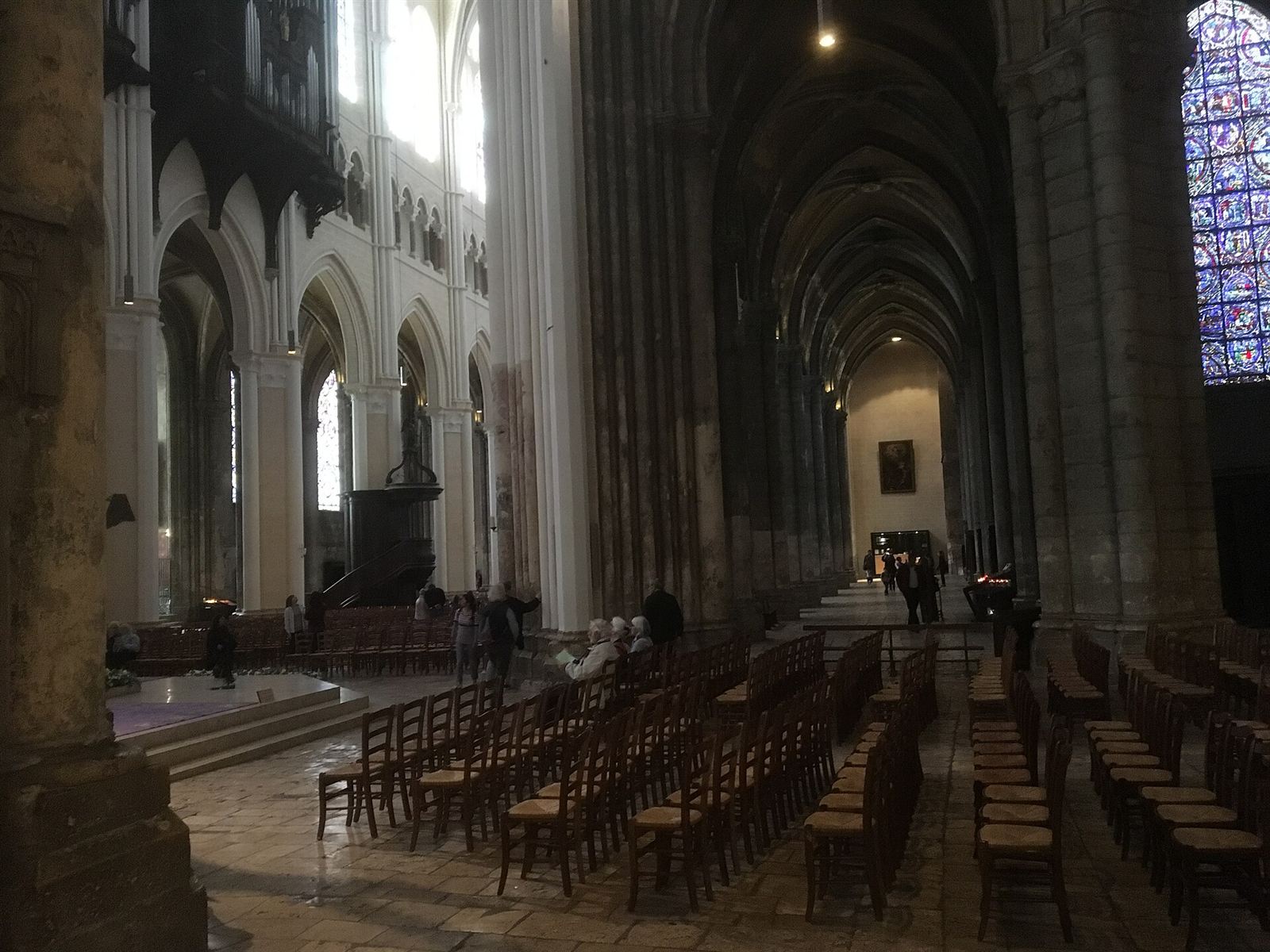
Hagia Sophia interior — consecrated 537 AD
Ronan Reinart, CC BY-SA 3.0, via Wikimedia Commons
Chapter I · The Confidence
Constantinople, 537 AD. Hagia Sophia — for a thousand years the largest cathedral on earth.
Its emperor reportedly said at its consecration: he had outdone Solomon. An empire’s confidence that Christ was reigning, poured into stone.
This is the opening of the age most of church history read as the thousand years — not a future golden age, but the one they were living in.
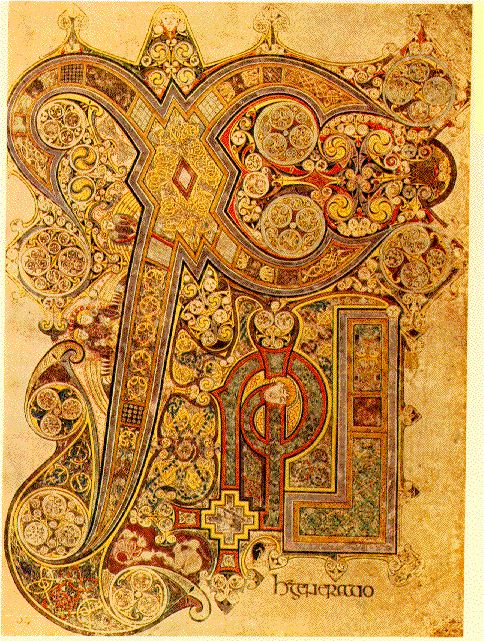
The Chi-Rho page, Book of Kells — c. 800 AD
Irish monks, c. 800 — public domain
Chapter II · The Patience
An island at the edge of the world, c. 800. Monks spend lifetimes on single pages.
This is the Chi-Rho page of the Book of Kells — the name of Christ turned into a labyrinth of gold. Nobody signs it. It wasn’t for a résumé.
Civilizations reveal their center by what they spend their patience on.
Chapter III · The Thousand Years · 500–1500 AD
Scrub the timeline. Watch what a civilization builds when it believes its King is on the throne.
Eight moments, one arc: the cathedrals rise for seven centuries — then the cranes stop, and the age splits at the seam.
537
Hagia Sophia consecrated
Constantinople raises the largest cathedral on earth. It will hold that title for a thousand years.
A thousand years of building for a King they believed was reigning — then the cranes stop, the print flows, and the seam splits.
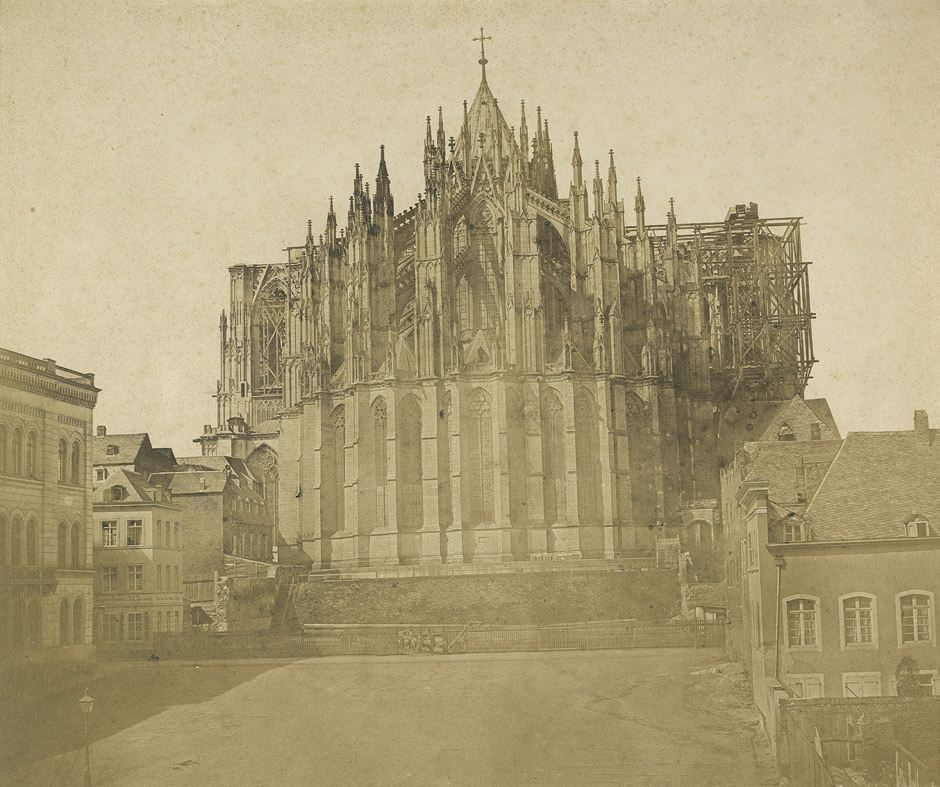
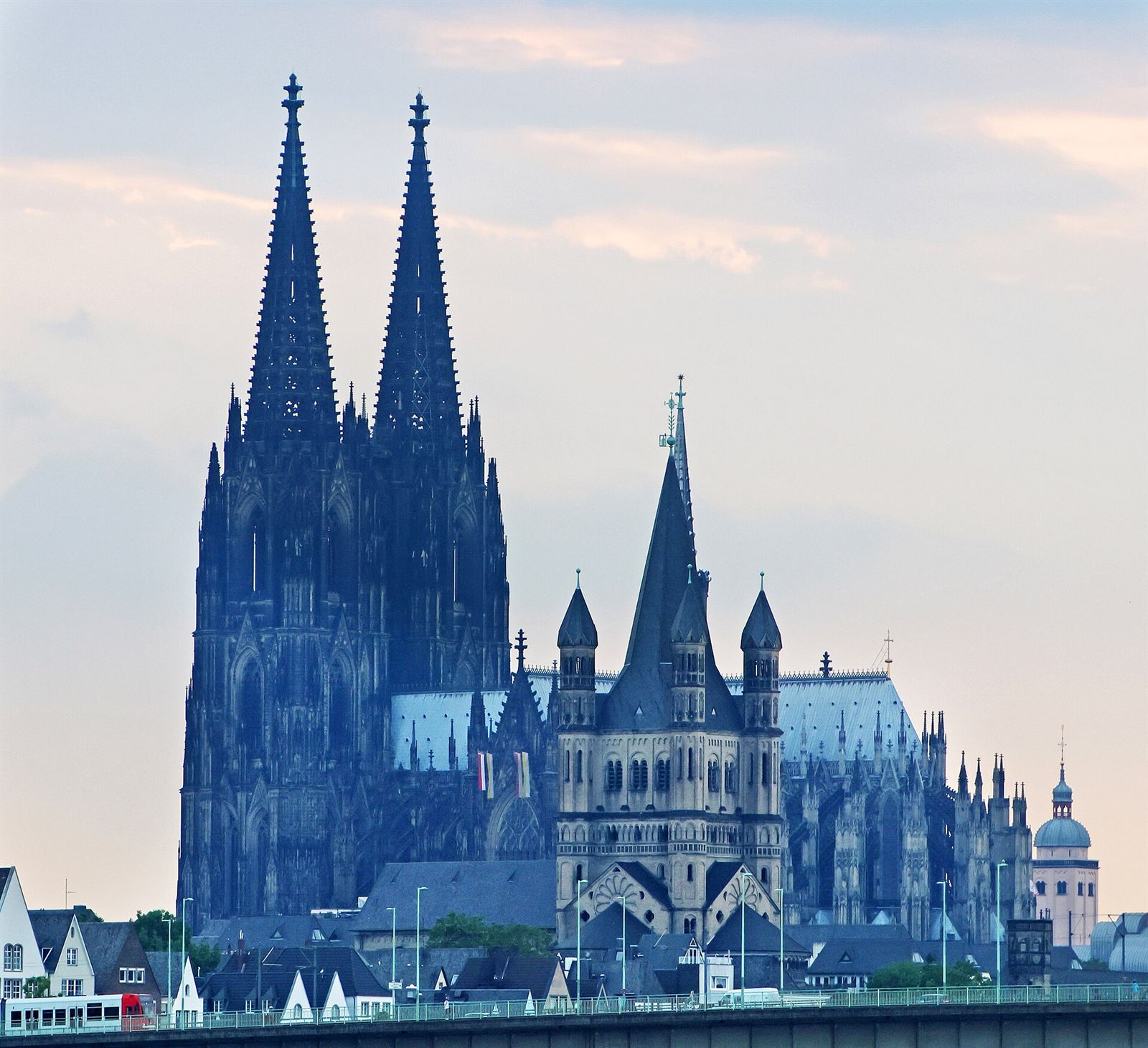
Cologne Cathedral unfinished — photographed 1855
Johann Franz Michiels, 1855 — public domain
Chapter IV · The Halt
Cologne, begun 1248. They built for two hundred years — then, around 1473, the money and the will ran out. The crane just… stayed.
This is a photograph. 1855. The cathedral had stood unfinished for nearly four hundred years, the medieval crane still parked on its tower like a question mark.
A civilization that once spent centuries on cathedrals stopped mid-sentence. I don’t think the timing is noise. Around 1500 the whole order fractured — I believe that’s the loosing.
The nineteenth century finally finished it — as a monument. The age that started it was gone.
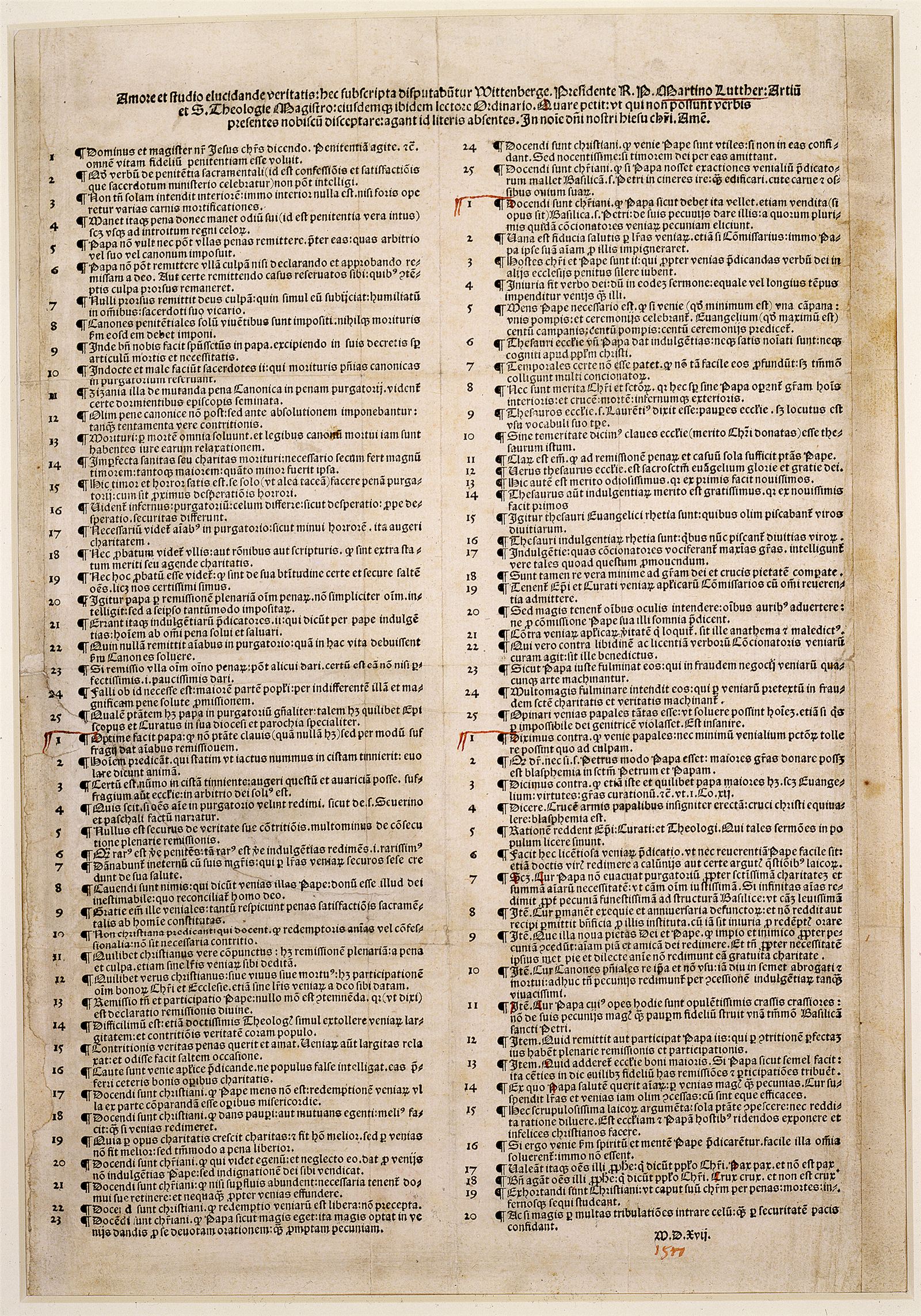
The 95 Theses, printed 1517
Martin Luther, 1517 — public domain
Chapter V · The Fracture
Wittenberg, 1517. A printed sheet of ninety-five sentences. The unity of a thousand years came apart in a generation.
I’m not scoring the Reformation — the corruption it protested was real. I’m marking the seam: after 1500, no civilization ever again organized everything around God.
Look where we are now: a world built as if He never existed — that can’t say why it feels like everything’s coming apart. To me it looks like the season after the reign.
Chapter VI · The Verdict
Marked as conviction, not consensus: I believe the thousand years have already run, and we are living in the little season — the short loosing before the end. I could be wrong about the dates.
Test it — that’s what the Bereans did.
Images & Sources
- Hagia Sophia interior, consecrated 537 AD
- Ronan Reinart, CC BY-SA 3.0, via Wikimedia Commons
- The Chi-Rho page, Book of Kells — c. 800 AD
- Irish monks, c. 800 — public domain
- The nave of Chartres Cathedral, 13th century
- Stephen Taber, CC BY-SA 4.0, via Wikimedia Commons
- Cologne Cathedral unfinished, medieval crane on the tower — photographed 1855
- Johann Franz Michiels, 1855 — public domain
- Cologne Cathedral completed, finished 1880
- Tony Hisgett, CC BY 2.0, via Wikimedia Commons
- The printed 95 Theses, 1517
- Martin Luther, 1517 — public domain
- Historic premillennial/amillennial readings: Augustine, City of God XX
- Cologne Cathedral construction history, 1248–1473–1880
- The 95 Theses, 1517