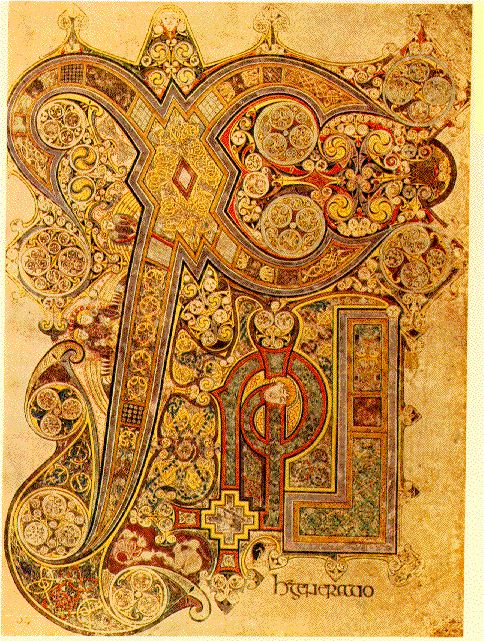
ONE TONGUE, ONE KINGDOM
A monk in Ireland, a king in Castile, a scholar in Prague — for a thousand years they read, wrote, sang, and prayed in the same language. No empire enforced it. The kingdom simply spoke it, across every border on the map.
The witness of the ages — gospels and reliquaries from the Kingdom's thousand years, the art and idols of the ancient world, giants in the artists' memory, megaliths no one saw raised, and forests turned to stone. Sourced from the open vaults of the world's museums and archives. Touch any work to see it large, then zoom into the detail.
Every age has an empire, and every empire has a tongue. For the thousand years these works were made, the tongue was Latin — and it did not fall silent until the reign did.
A monk in Ireland, a king in Castile, a scholar in Prague — for a thousand years they read, wrote, sang, and prayed in the same language. No empire enforced it. The kingdom simply spoke it, across every border on the map.
The accusation over the King was posted “in Hebrew, and Greek, and Latin” (John 19:20) — the tongue of covenant, the tongue of wisdom, and the tongue the coming reign would speak. Pilate wrote better than he knew.
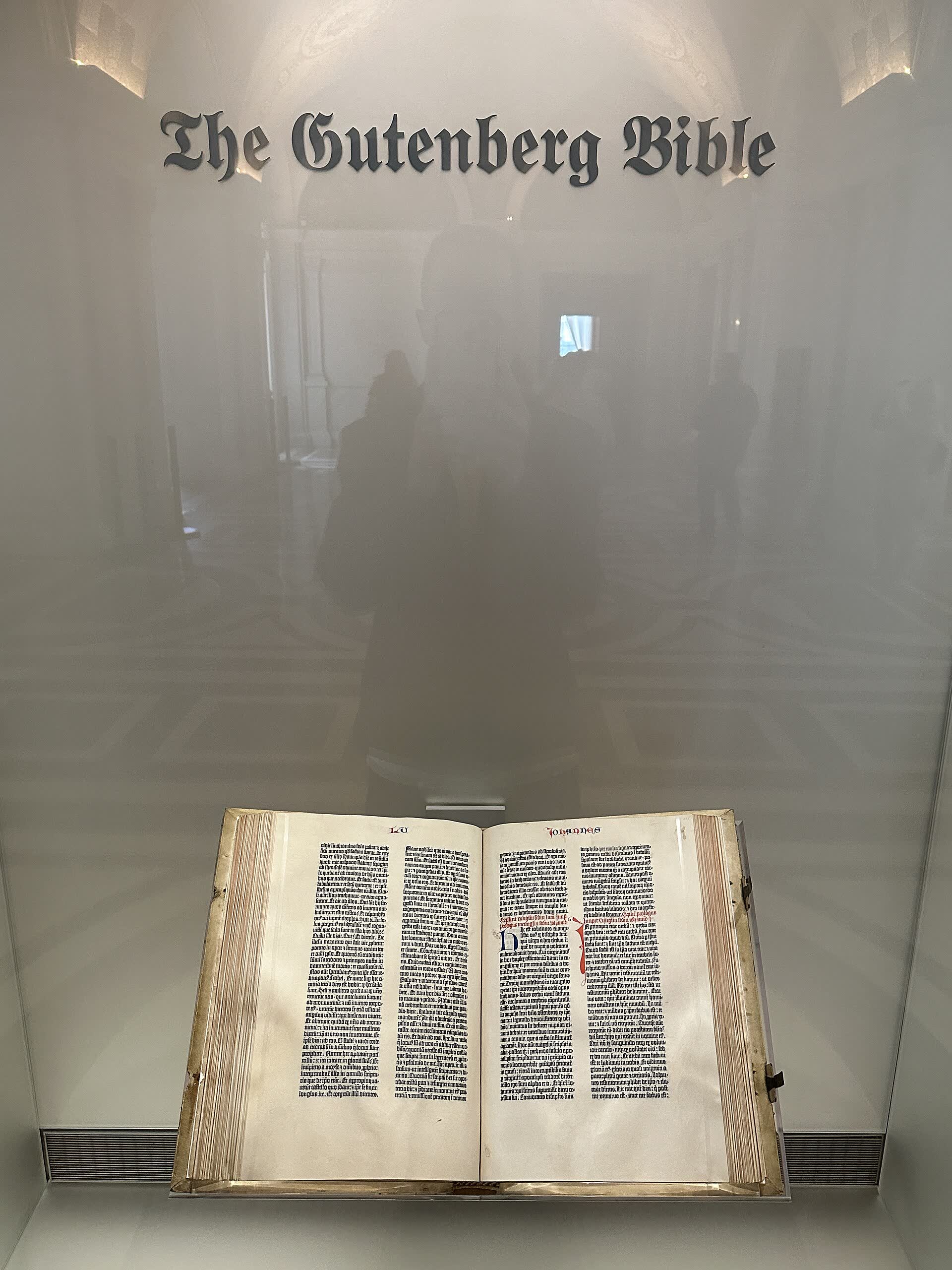
Jerome finished the Latin Bible around AD 400 — and it reigned for the entire age. When Gutenberg pressed the first printed book in the West around 1455, it was this: the scriptures, in the language of the reign.
Anno Domini — the reign built its calendar on the King (Dionysius Exiguus, AD 525). Every date you have ever written counts from Him. The reign ended; its clock never did.
Dedication stones, tombs, bells, altars — the buildings in this gallery are covered in Latin. Walk the Millennial Reign room and read the walls for yourself.
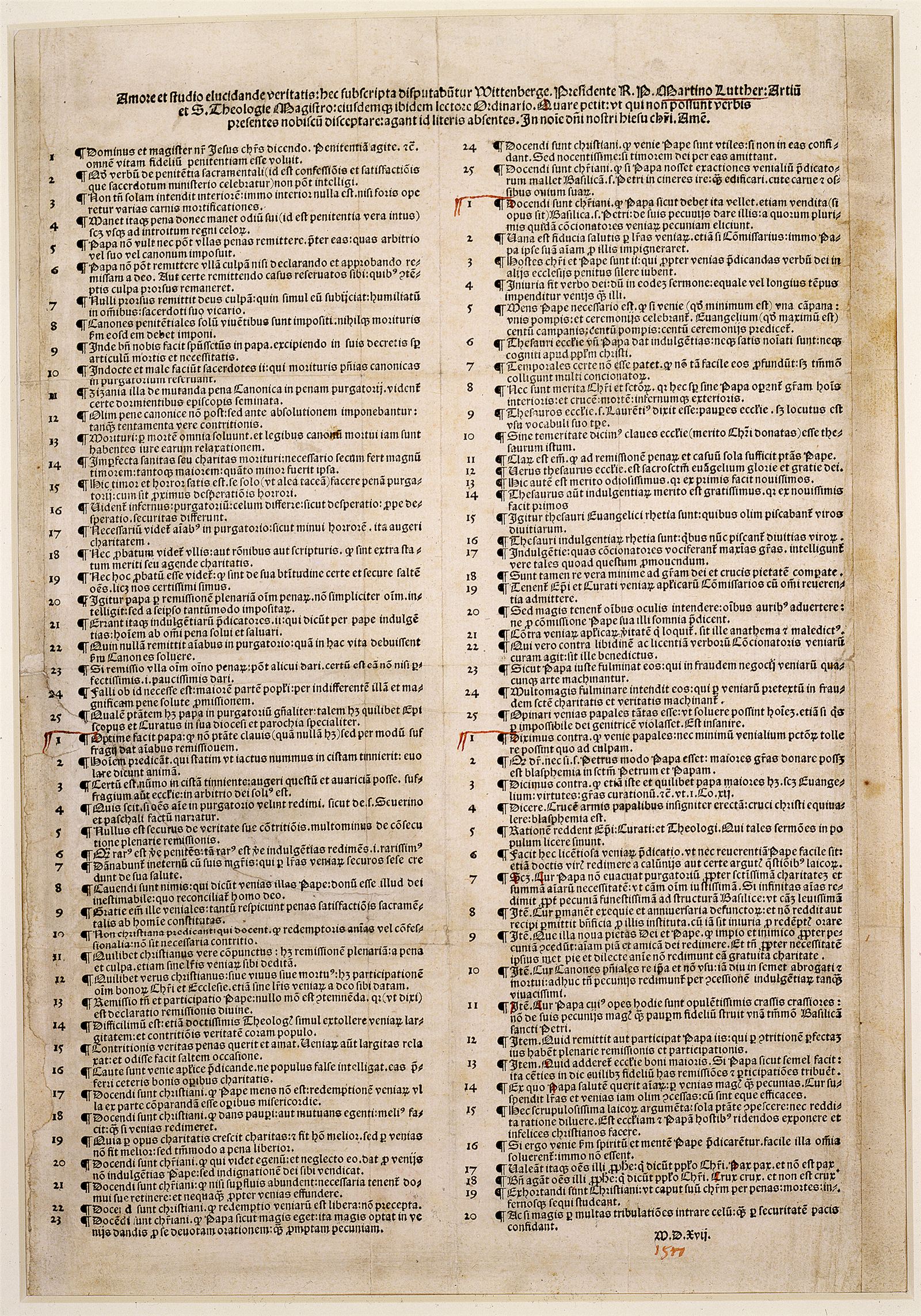
Even the crack of 1517 was argued in Latin — the Ninety-five Theses. Then scripture went to the plough-boy in his own speech, and within a lifetime the common tongue of a thousand years was a “dead language.” Ask when it died, and you have dated the reign.
WALK THE TIMELINE →✦ Opening the vaults…