Not Against Flesh — An Evidence Experience
Ephesians 6:12 · As the 1611 gave it
‘For wee wrestle not against flesh and blood, but against principalities, against powers…’
I didn’t believe in any of this. I was channeling what I thought was light. This is the page I can only write because I lived it.
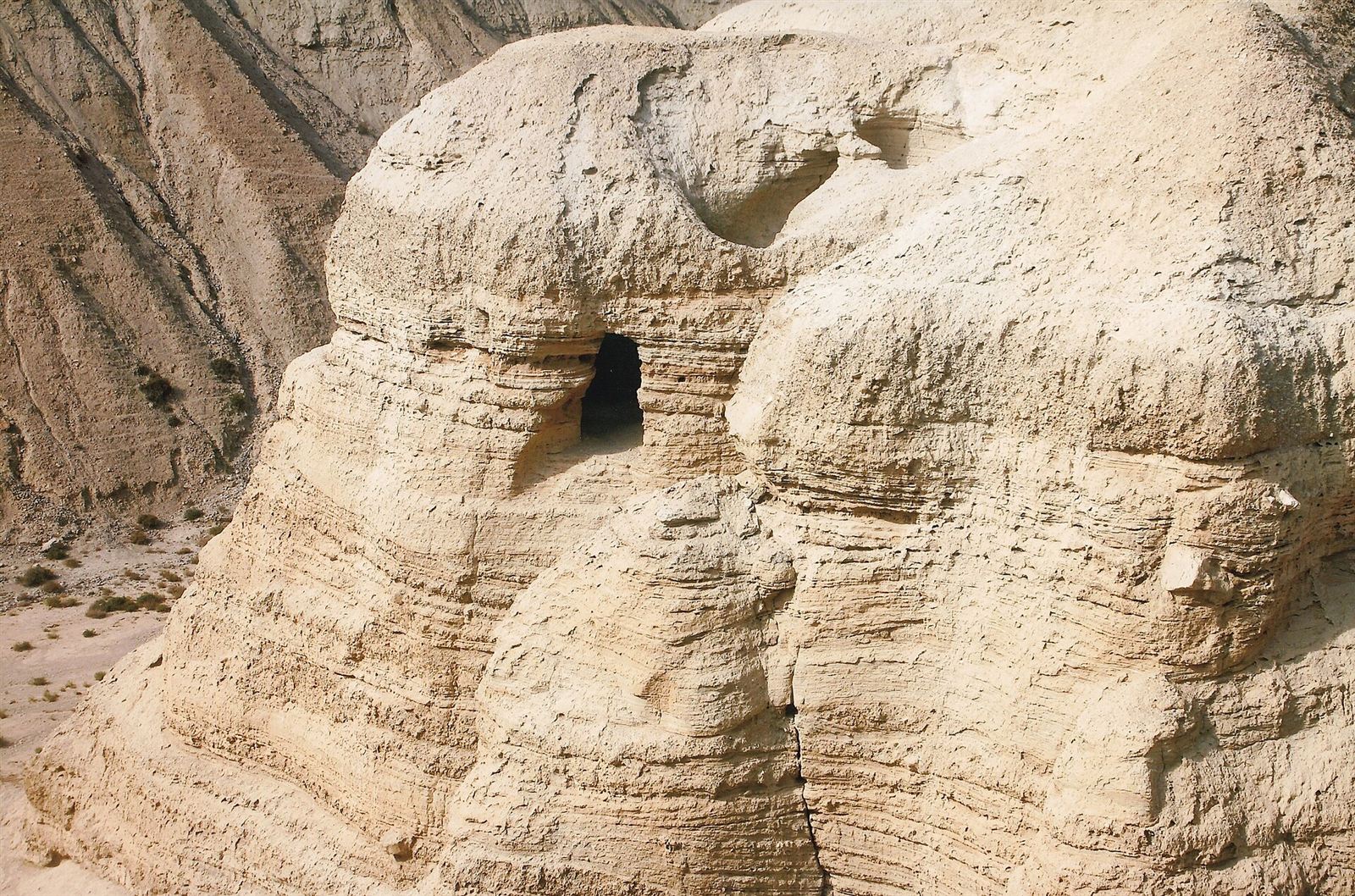
A cave at Qumran, where the scrolls slept
Peter van der Sluijs, CC BY-SA 4.0, via Wikimedia Commons
Chapter I · The Root
Scripture traces evil to a rebellion — angels who fell. The Book of Enoch tells that story in detail.
Skeptics long waved Enoch off as a late forgery. Then these caves gave up eleven copies of it — Aramaic, written before Christ.
Whatever you make of the mechanism, the pattern Jesus dealt with was concrete: real spirits, with names, that recognized His authority instantly.

The author. He walked through some of those doors.
Chapter II · The Doorways
Here’s where I stop citing and start testifying. Crystals. Tarot. Astral projection. Channeling. I wasn’t playing — I was devout.
The occult sells its doors as harmless — divination, mediums, manifesting. Scripture names them as exactly the wrong doors. Not because God withholds power. Because He knows what’s on the other side.
I opened some of those doors. I know what came through. And I know what happened when I finally said the name of Jesus — it left.
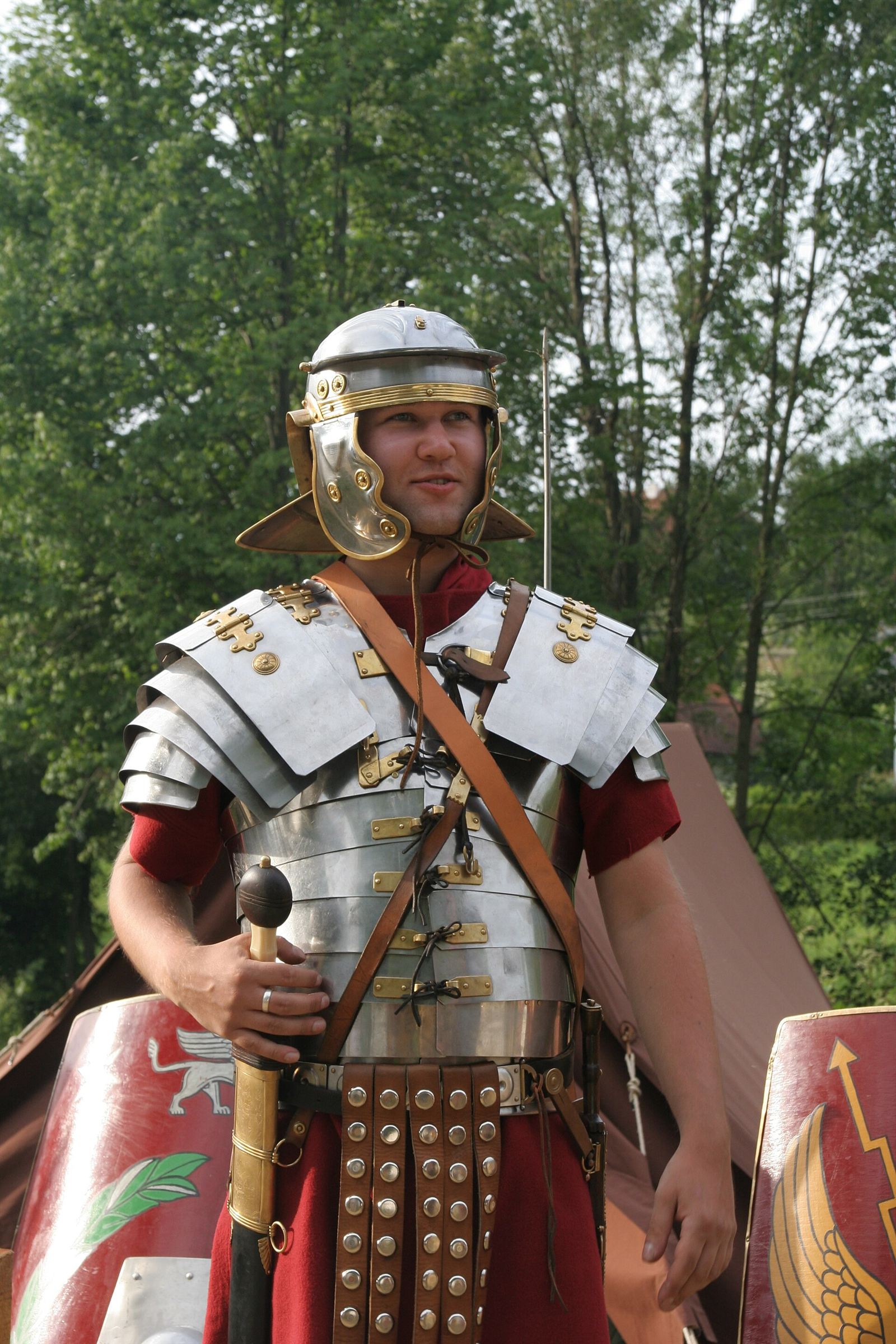
Reconstructed Roman lorica segmentata — the armor Paul's readers saw daily
MatthiasKabel, CC BY-SA 3.0, via Wikimedia Commons
Chapter III · The Armor
When Paul wrote «put on the whole armour of God», his readers didn’t picture a metaphor. They pictured this — the kit on every Roman soldier in the street.
The inventory · Ephesians 6:14–17
- Belttruth
- Breastplaterighteousness
- Shoesthe gospel of peace
- Shieldfaith
- Helmetsalvation
- Swordthe word
Every piece stood for something a soldier in the street was already wearing. Paul’s readers could check the list against the man on the corner.
Every piece is defensive except one. The only sword he names is the word of God. That’s the whole strategy in one sentence.
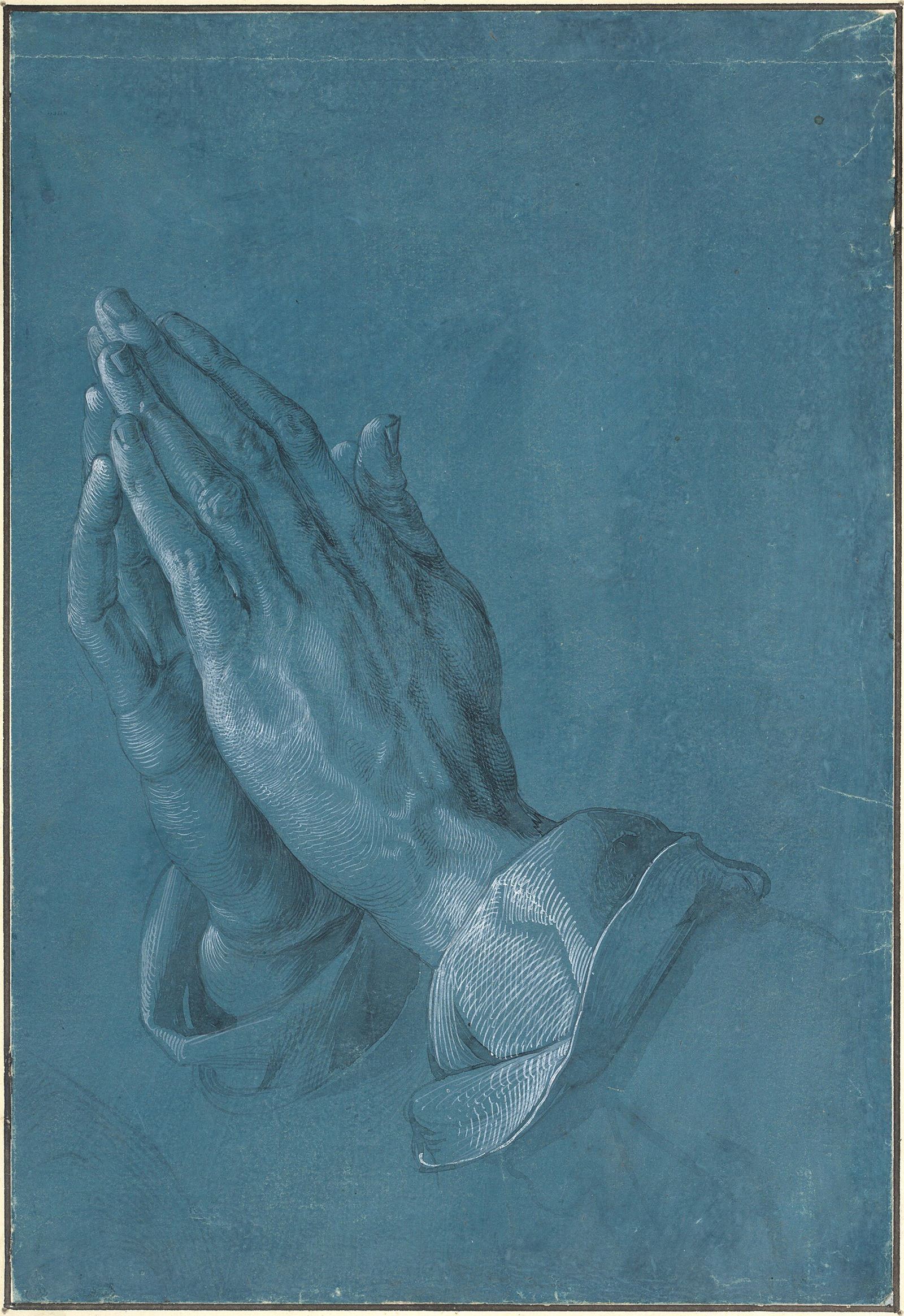
Albrecht Dürer, Praying Hands, 1508
Albrecht Dürer, 1508 / Google Art Project — public domain
Chapter IV · The Weapons
Dürer drew these hands in 1508. Five hundred years later they’re still the most honest picture of the fight I know.
The two weapons I keep coming back to aren’t dramatic: prayer and fasting. Jesus said some things only move that way.
Fasting isn’t earning God’s attention. It’s clearing the noise and saying with your whole body that you mean it.
Chapter V · The Verdict
Marked as conviction, not consensus: the doorways were real to me — crystals, tarot, astral projection, channeling — and so was what walked through them. If any of this is stirring something in you — fear, recognition, a door you wish you hadn’t opened — that’s not a reason to panic.
It’s a reason to come to the One the spirits obey. He protects His own.
Images & Sources
- A cave at Qumran
- Peter van der Sluijs, CC BY-SA 4.0, via Wikimedia Commons
- Reconstructed Roman lorica segmentata
- MatthiasKabel, CC BY-SA 3.0, via Wikimedia Commons
- Praying Hands, 1508
- Albrecht Dürer, 1508 / Google Art Project — public domain
- Photograph of the author
- Kyle Lauriano
- Eleven Aramaic Enoch manuscripts, 4Q201–4Q212
- Ephesians 6:10–18, 1611 text