Skeptic · Checklist
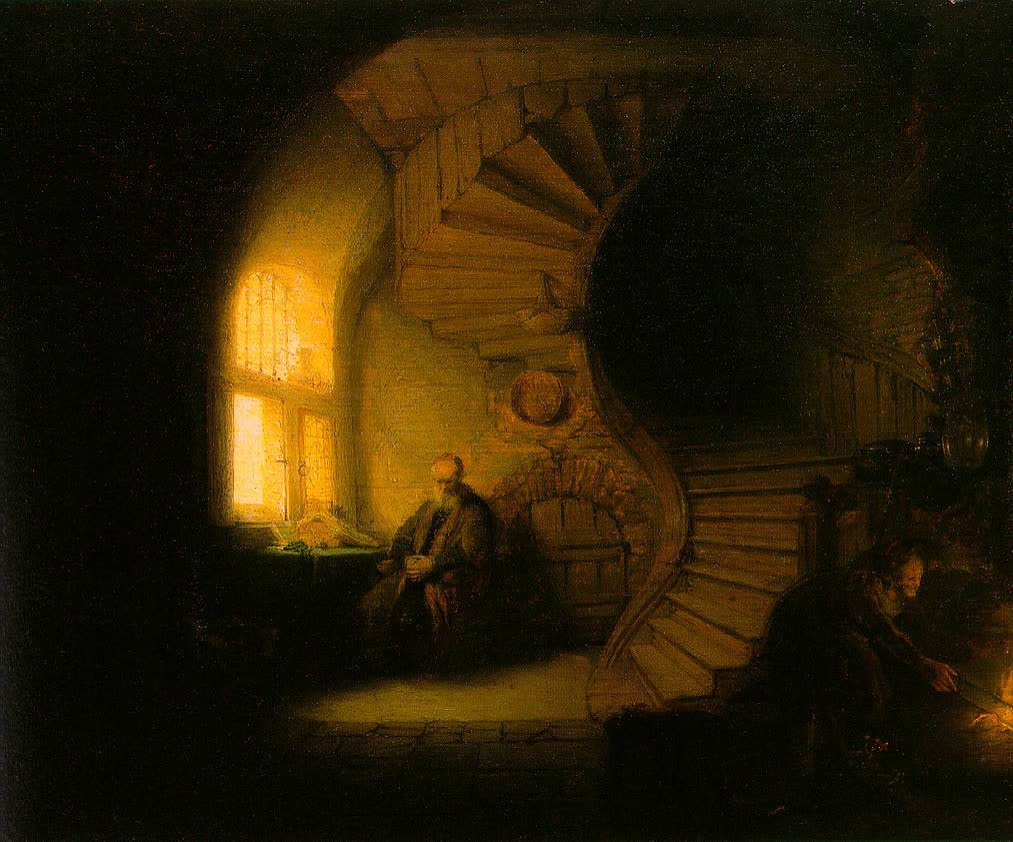
Rembrandt, 1632 · Public domain
30 Questions Skeptics Ask
Common Objections and Biblical Responses for the Honest Skeptic
Our goal is not to force anyone to believe but to remove intellectual obstacles so that if someone is drawn to faith, intellectual questions won't stand in the way.
God's Existence & Nature (Q1–5)
Does God exist?
If God exists, why can't we see Him?
Why does God allow suffering?
Is God good?
Can God's existence be proven?
Jesus & the Gospel (Q6–10)
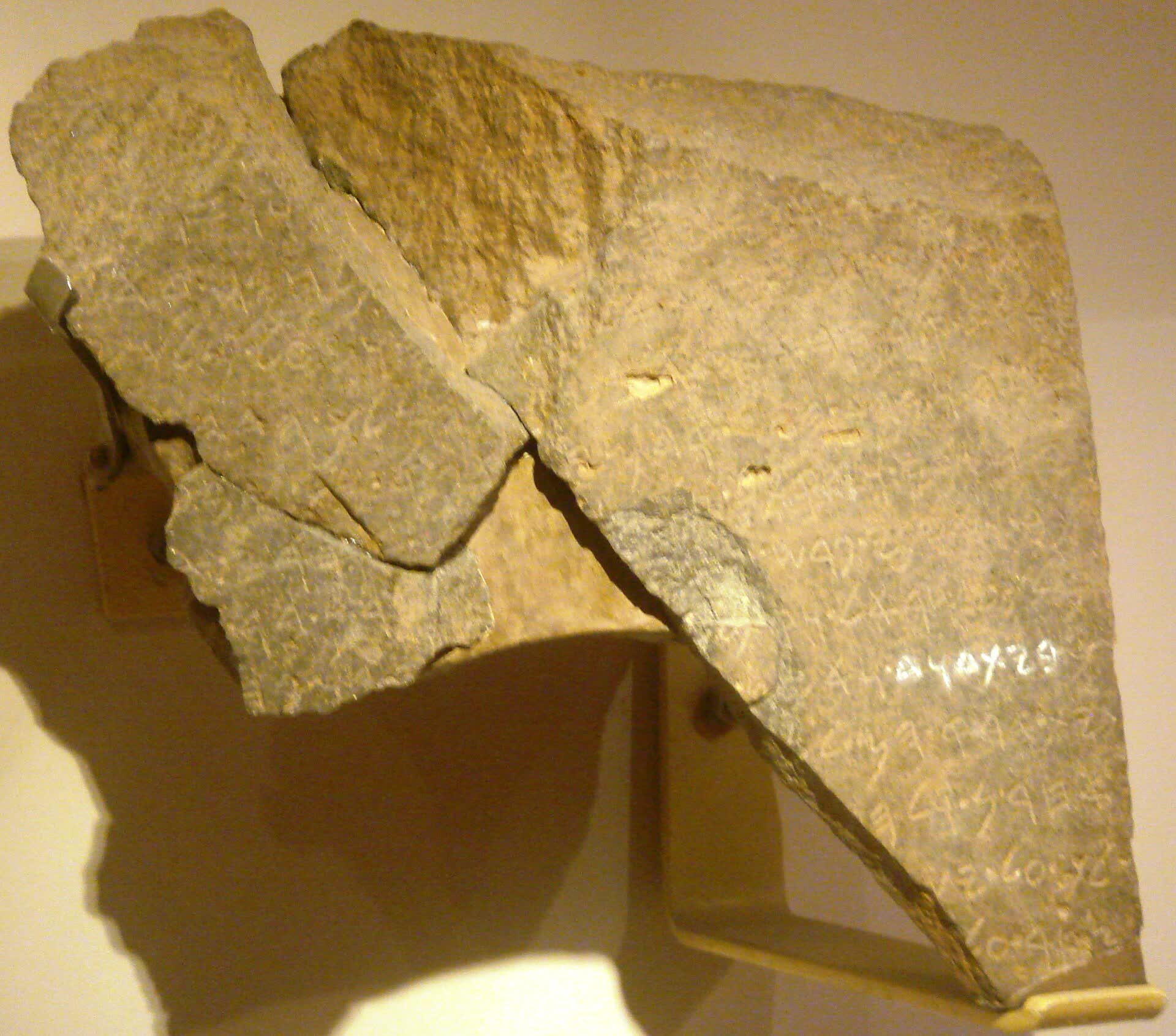
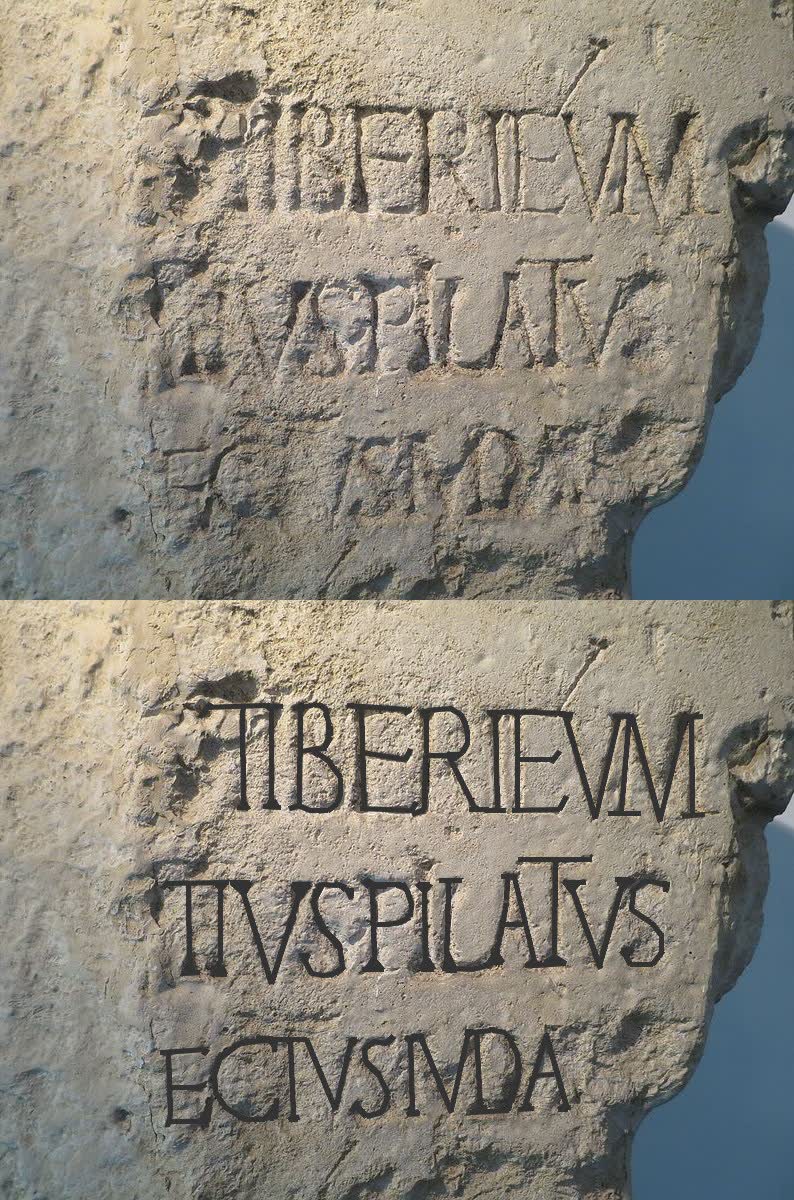
Did Jesus really exist?
Is Jesus really God?
Did Jesus actually rise from the dead?
Why is Jesus the only way?
What about people who never heard about Jesus?
The Bible (Q11–15)
Is the Bible reliable?
Isn't the Bible full of contradictions?
How do we know the Bible hasn't been changed?
Why should I trust the Bible over other religious texts?
What about the violent parts of the Bible?
Faith & Reason (Q16–20)
Isn't faith just blind belief?
Can a rational person be a Christian?
Doesn't science disprove God?
What about evolution?
Isn't religion just a crutch?
Christian Practice (Q21–25)
Why are there so many denominations?
Why are Christians hypocrites?
Why does the church have so many scandals?
Isn't Christianity exclusive?
What about other religions?
Suffering, Evil & Meaning (Q26–30)
Why do innocent people suffer?
What about hell?
Why would God create people He knows will reject Him?
What's the meaning of life without God?
How can you believe in a God you can't see?
Bring your questions on your hardest questions to the Scripture Desk →