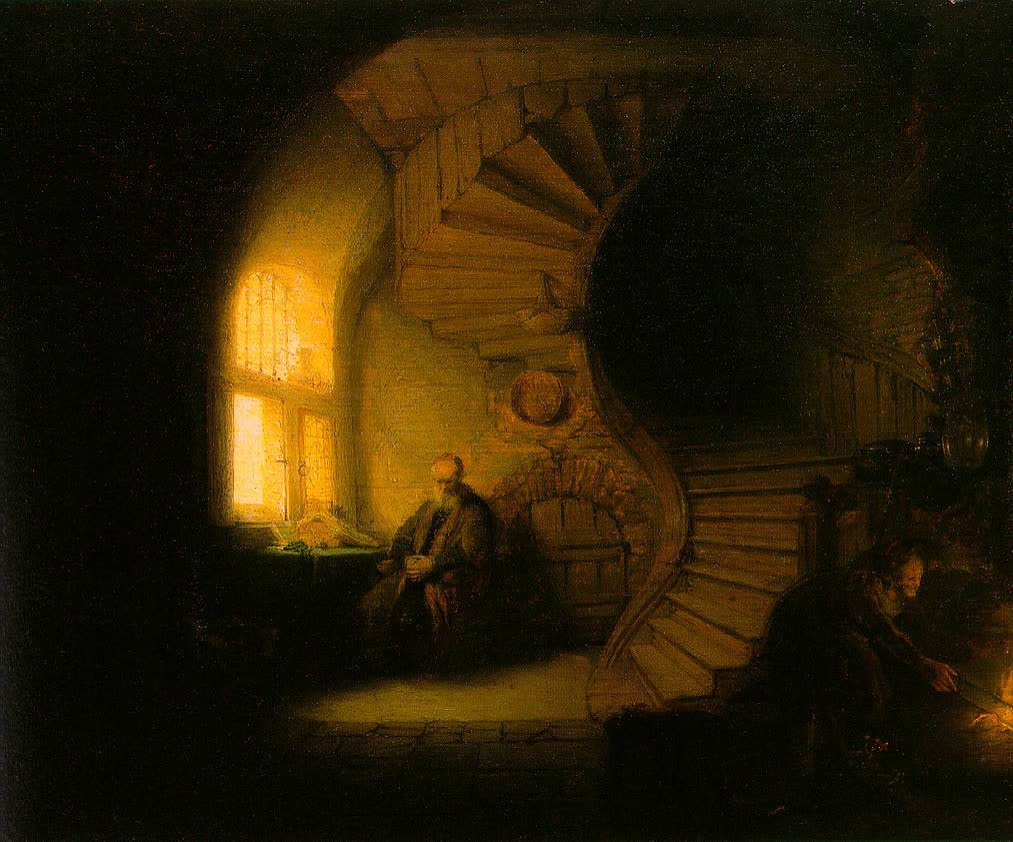
A philosopher in meditation beside a sunlit window

Skeptic · Checklist

Rembrandt, 1632 · Public domain

Back to Research HubSTAGE: SKEPTIC · 10 PARTS

Common Objections

The Honest Answers FAQ — 30+ Objections Addressed with Evidence, Scholarship, and Conversation Templates

Objections About Evidence (1–5)

Addressing claims that there's no proof, faith requires no evidence, and religion is anti-intellectual.

Objections About the Bible (6–10)

Contradictions, reliability, translation issues, and why the Bible should be treated differently from other ancient texts.

Objections About Jesus (11–15)

Did He exist? Was He just a teacher? Did He claim to be God? Was He copied from pagan myths?

Objections About Suffering & Evil (16–20)

The problem of evil, natural disasters, hell, innocent suffering, and why God doesn't intervene.

Objections About Christians (21–25)

Hypocrisy, Crusades, scandals, judgmentalism, and whether Christianity makes people better.

Objections About Salvation & Faith (26–30)

Exclusivity, unreached peoples, different denominations, and what happens after death.

Objections About Experience (31–34)

Emotional manipulation, confirmation bias, and whether religious experience is reliable evidence.

Practical Conversation Templates

How to have these conversations with real people — templates for compassionate, evidence-based dialogue.

Bring your questions on common objections to the Scripture Desk →
The Evidence on the Table

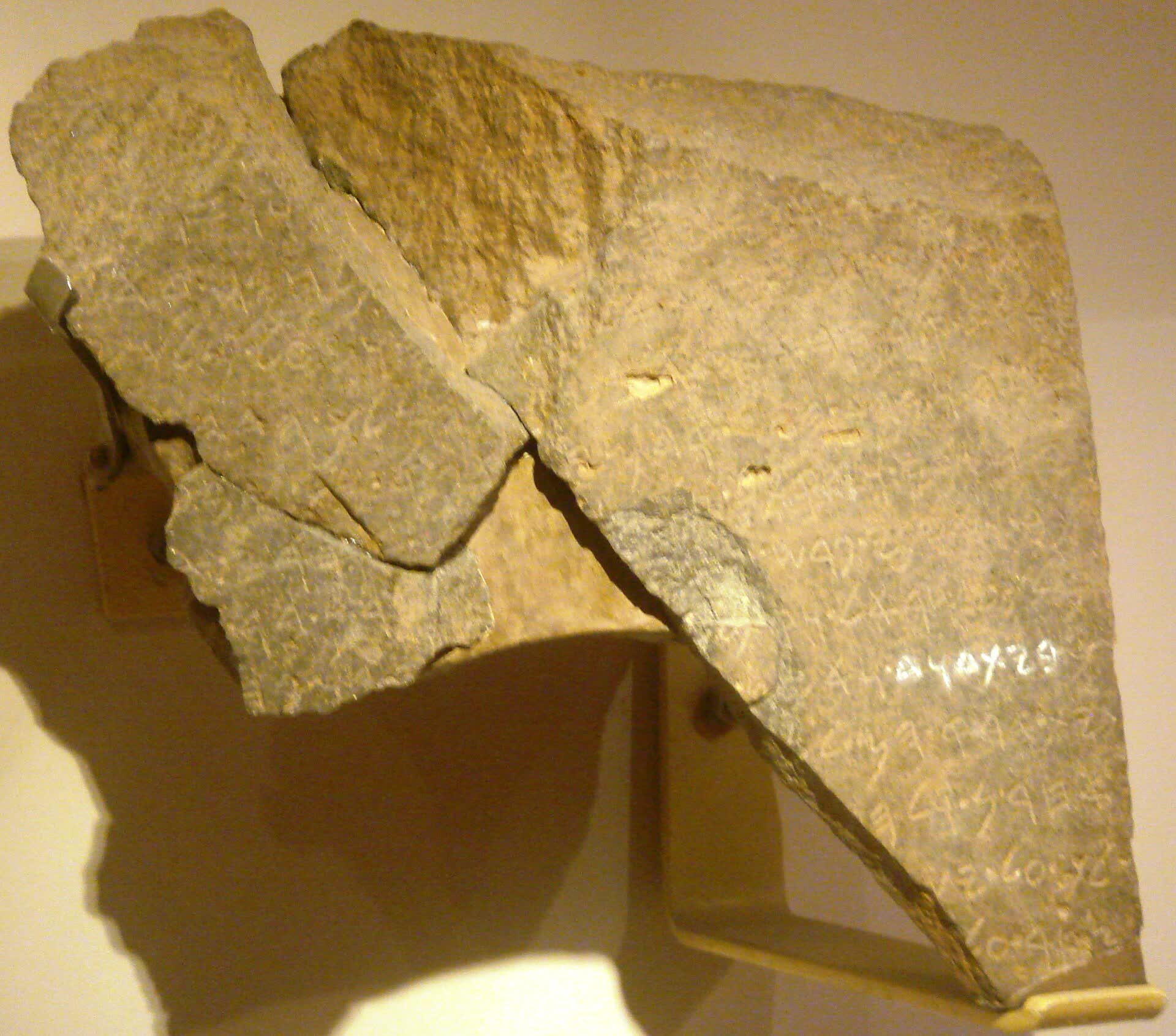
The Tel Dan Stele — basalt fragment inscribed in Aramaic

The Tel Dan Stele (9th century BC, northern Israel) — the first inscription found outside the Bible to name the “House of David.”

בית השלום, Hebrew Wikipedia · Attribution

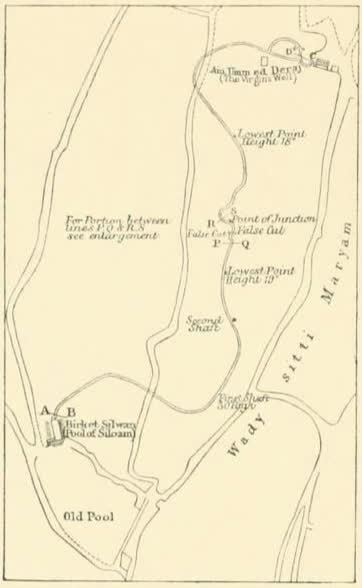
1884 survey sketch of Hezekiah’s tunnel beneath Jerusalem

The 1884 survey sketch of Hezekiah’s tunnel beneath Jerusalem — the 8th-century-BC waterworks whose Siloam Inscription confirms the account in 2 Kings 20.

Charles Warren & Claude Conder, 1884 · Public domain

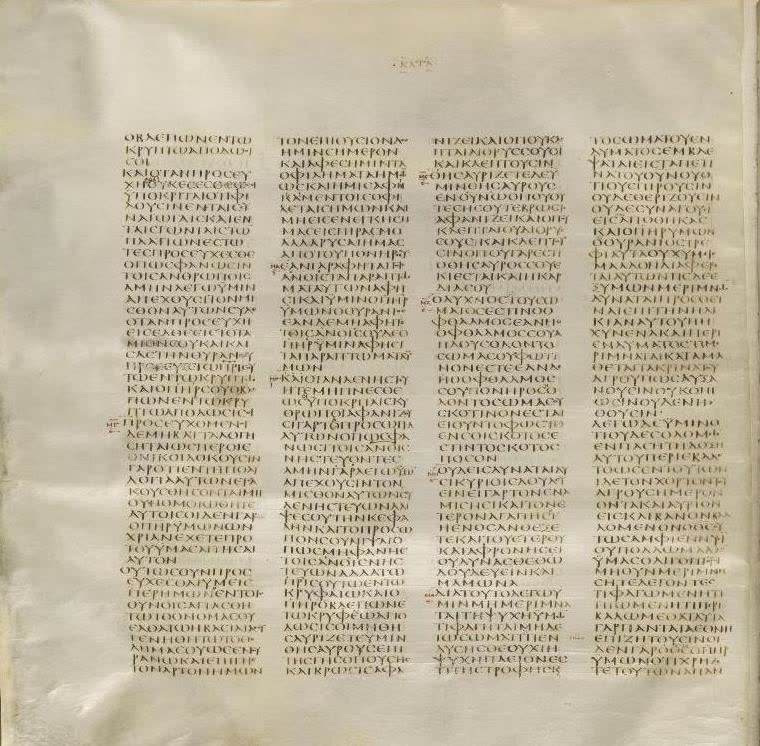
A page of Codex Sinaiticus in early Greek uncial script

A page of Codex Sinaiticus (4th century AD), the oldest complete Greek New Testament — hand-copied within three centuries of the events it records.

Unknown scribe, 4th century · Public domain

Where I'm honest with you

Some of the answers in this resource are strong — well-attested, widely accepted, and historically grounded. Others are an honest step of faith — positions I hold because of Scripture and personal experience, not because I can prove them in a lab. I've tried to be clear about which is which. Where I'm less certain, I say so.

"Beloved, believe not every spirit, but try the spirits whether they are of God." — 1 John 4:1 (KJV)