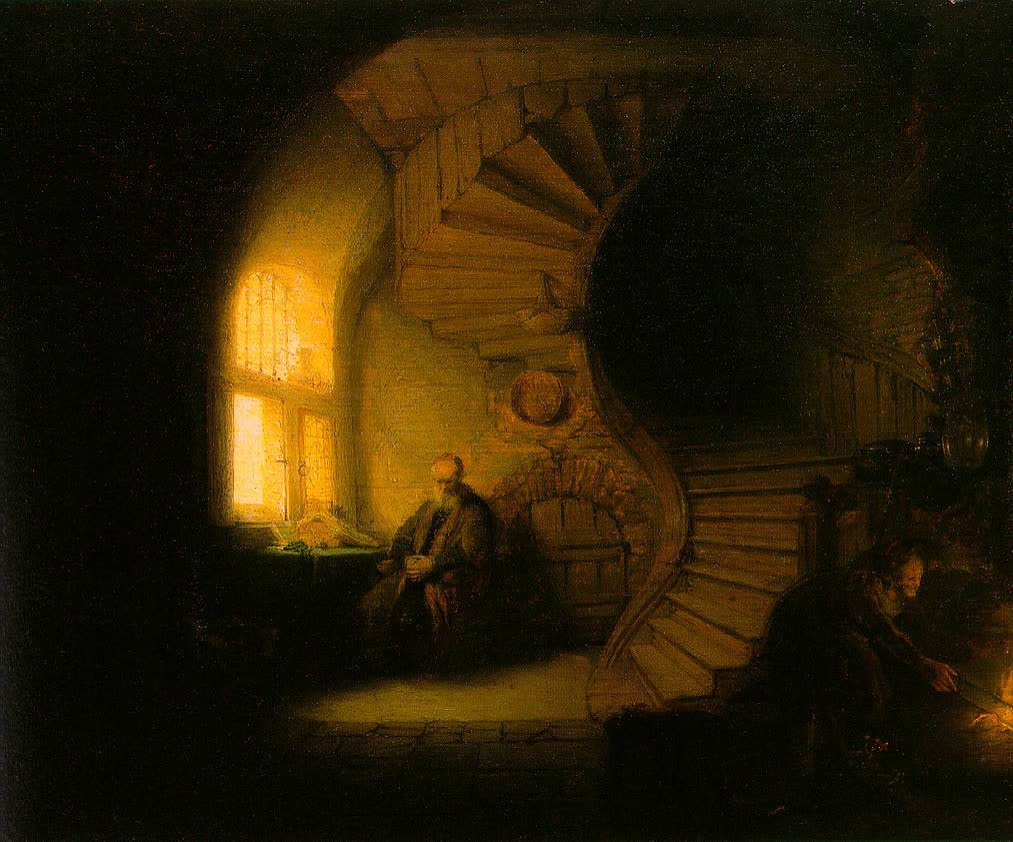
A philosopher in meditation beside a sunlit window

Skeptic · Checklist

Rembrandt, 1632 · Public domain

Back to Research HubSTAGE: SKEPTIC · 9 PARTS

The Skeptic's Reading List

Evidence-Based Books for Investigating Christianity's Truth Claims

5 parts · about 20 min with the PDF

  1. Why You Should Read These BooksThe case for investigation over dismissal — why serious skeptics deserve serious answers, and how these books address real objections with real evidence.
  2. The Core Case for ChristianityThe foundational arguments: historical, philosophical, and scientific — built from peer-reviewed scholarship and primary sources.
  3. The Top Ten Books to Start WithA curated selection covering the historical Jesus, the reliability of Scripture, the problem of evil, science and faith, and the rational basis for belief.
  4. Addressing Specific ObjectionsBooks organized by the objection they address — whether it's suffering, science, hypocrisy, or the exclusivity of Christianity.
  5. Reading Plans and StrategiesSystematic investigation approaches: the 30-day deep dive, the academic track, the personal-story track, and the philosophical track.

Bring your questions on where to start reading to the Scripture Desk →
The Evidence on the Table

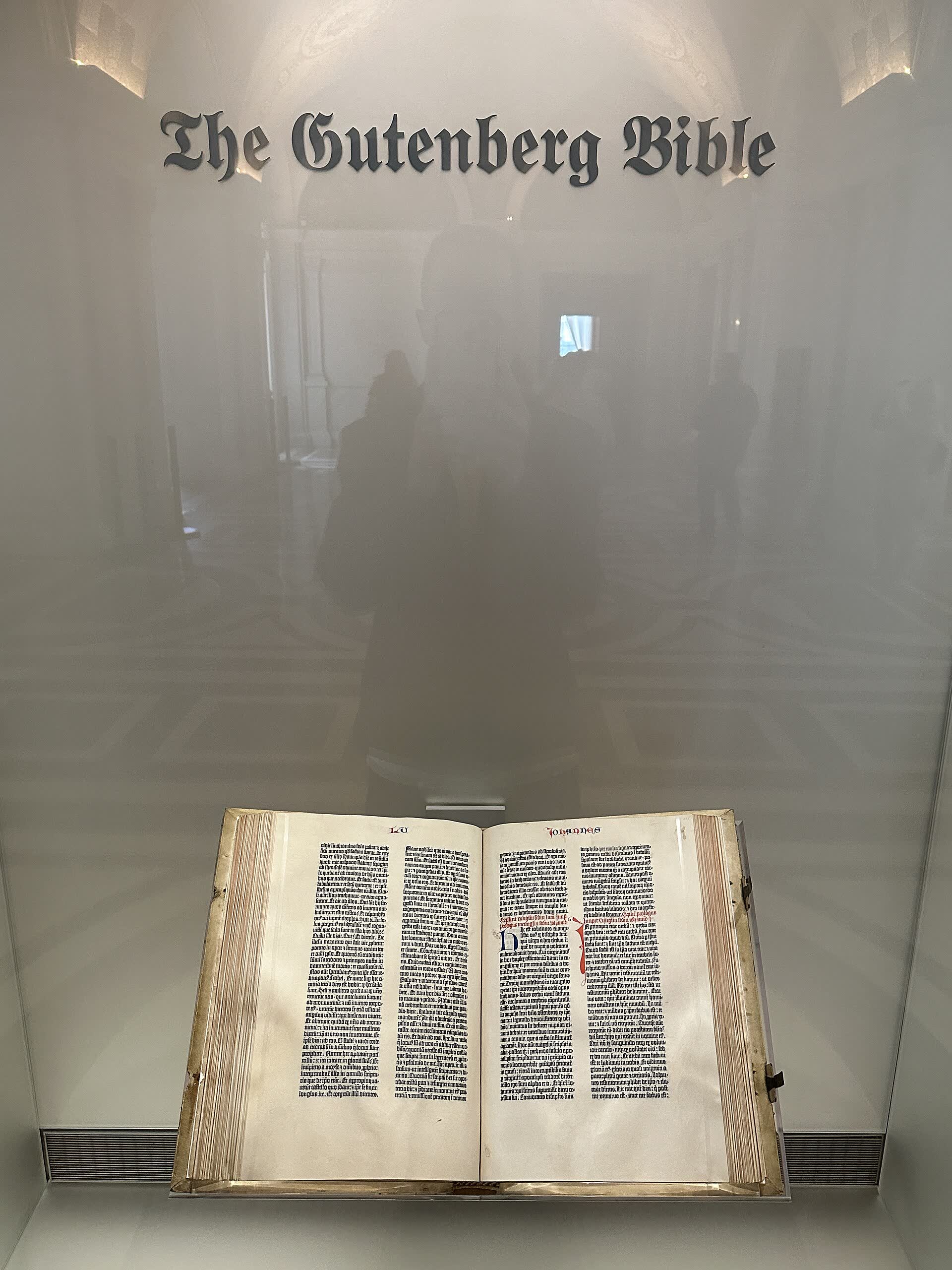
The Gutenberg Bible in the Library of Congress

The Gutenberg Bible (c. 1455, Library of Congress) — the first major printed book, the moment Scripture began to multiply beyond the copyists.

APK · CC BY 4.0

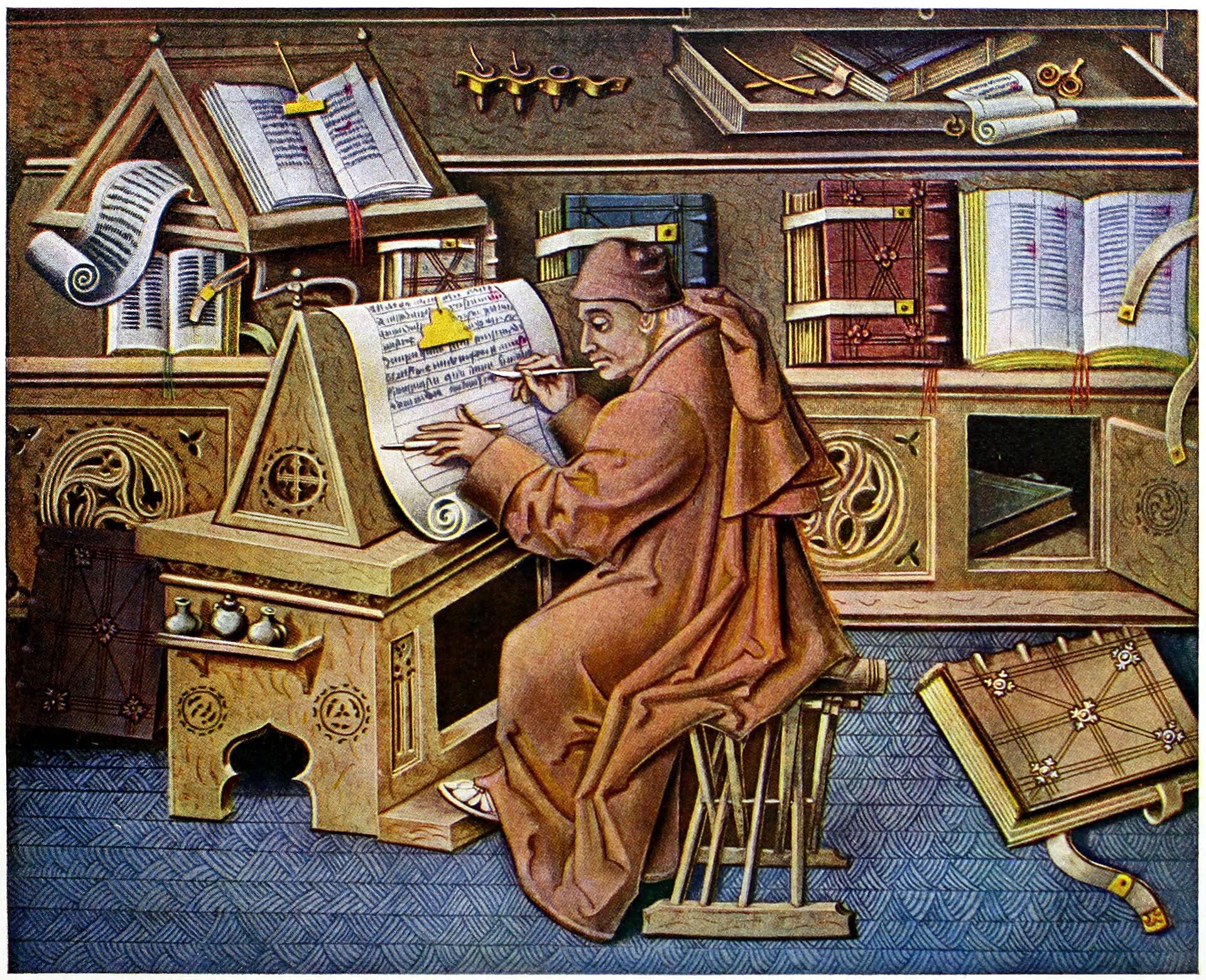
A 15th-century miniature of the scribe Jean Miélot at work in a scriptorium

The scribe Jean Miélot at his desk, painted in the 15th century — Scripture copied by hand, line by disciplined line, for a thousand years before print.

Jean Le Tavernier, 15th century · Public domain

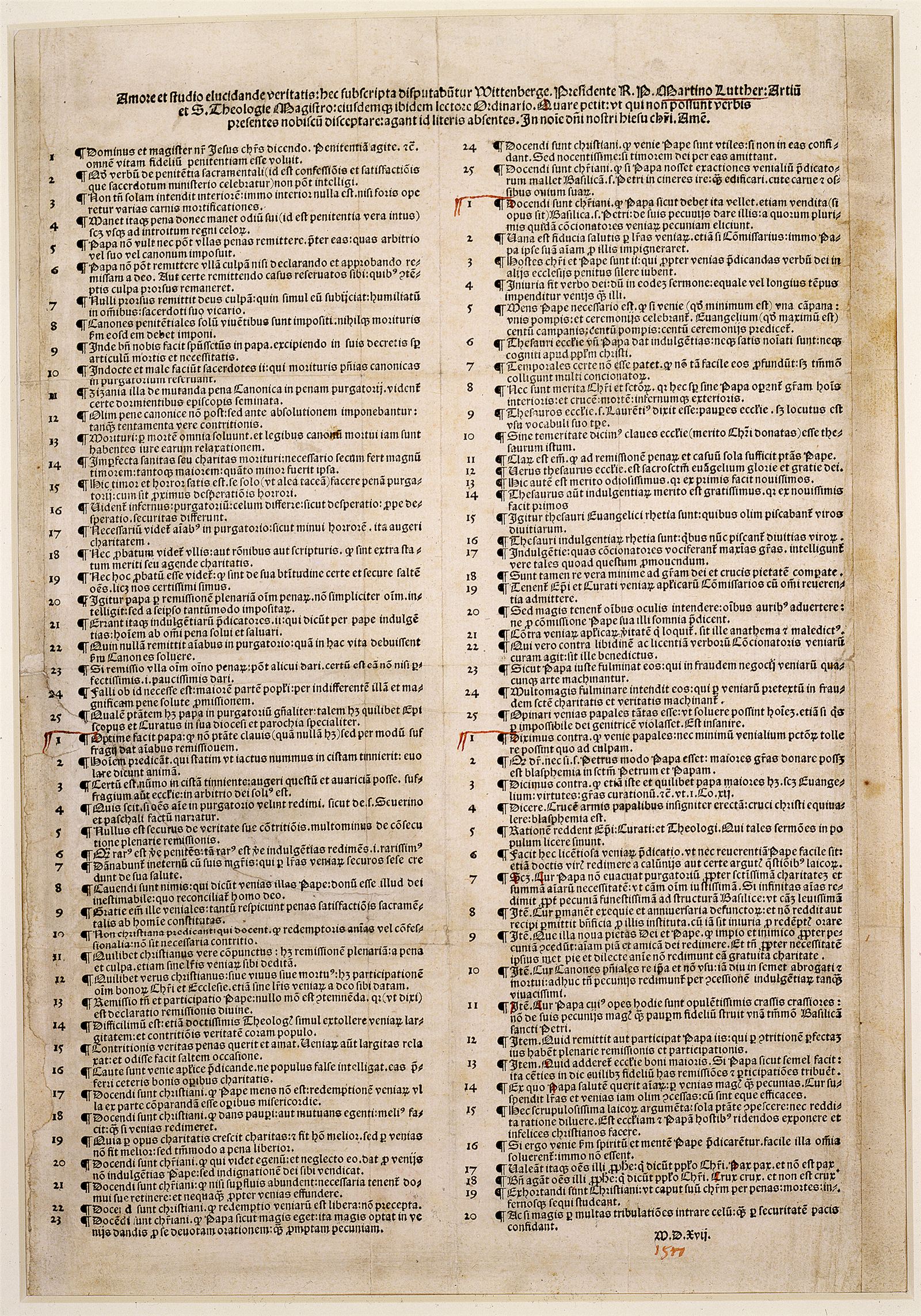
The printed text of Luther’s 95 Theses

The printed Ninety-five Theses (1517) — a church-door dispute that a new medium carried across Europe in weeks.

Martin Luther, 1517 · Public domain

Where I'm honest with you

Some of the answers in this resource are strong — well-attested, widely accepted, and historically grounded. Others are an honest step of faith — positions I hold because of Scripture and personal experience, not because I can prove them in a lab. I've tried to be clear about which is which. Where I'm less certain, I say so.

"Prove all things; hold fast that which is good." — 1 Thessalonians 5:21 (KJV)