Skeptic · Checklist
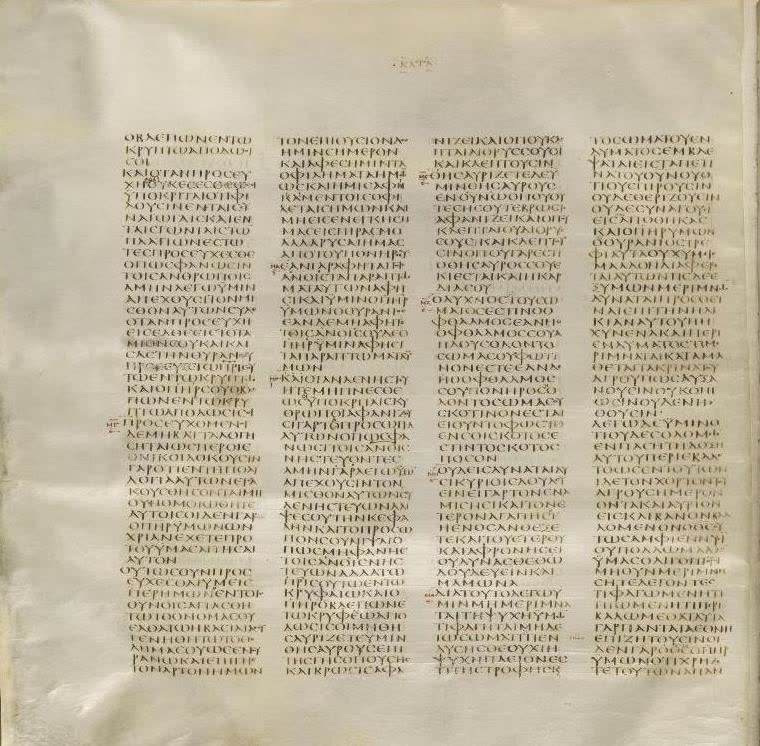
Unknown scribe, 4th century · Public domain
The Evidence for Christianity
A Skeptic's Checklist — Historical, Archaeological, Prophetic, and Scientific Evidence for Christian Truth Claims
"Can Christianity be believed by a thinking person? Can faith survive intellectual scrutiny? Is there real evidence for Christian truth claims, or is Christianity ultimately based on blind faith?"
2 Timothy 2:15 (KJV): "Study to shew thyself approved unto God, a workman that needeth not to be ashamed, rightly dividing the word of truth."
Seven Categories of Evidence
PART 01
Historical Evidence
Documents, accounts, and ancient writings about Jesus, the disciples, and the early church — verifiable records from history.
PART 02
Prophetic Evidence
Fulfilled prophecies in Scripture that demonstrate supernatural knowledge of future events — 300+ Messianic prophecies examined.
PART 03
Textual & Manuscript Evidence
Manuscript reliability showing that what we have today is what was written originally — 25,000+ manuscripts, 99.5% accuracy.
PART 04
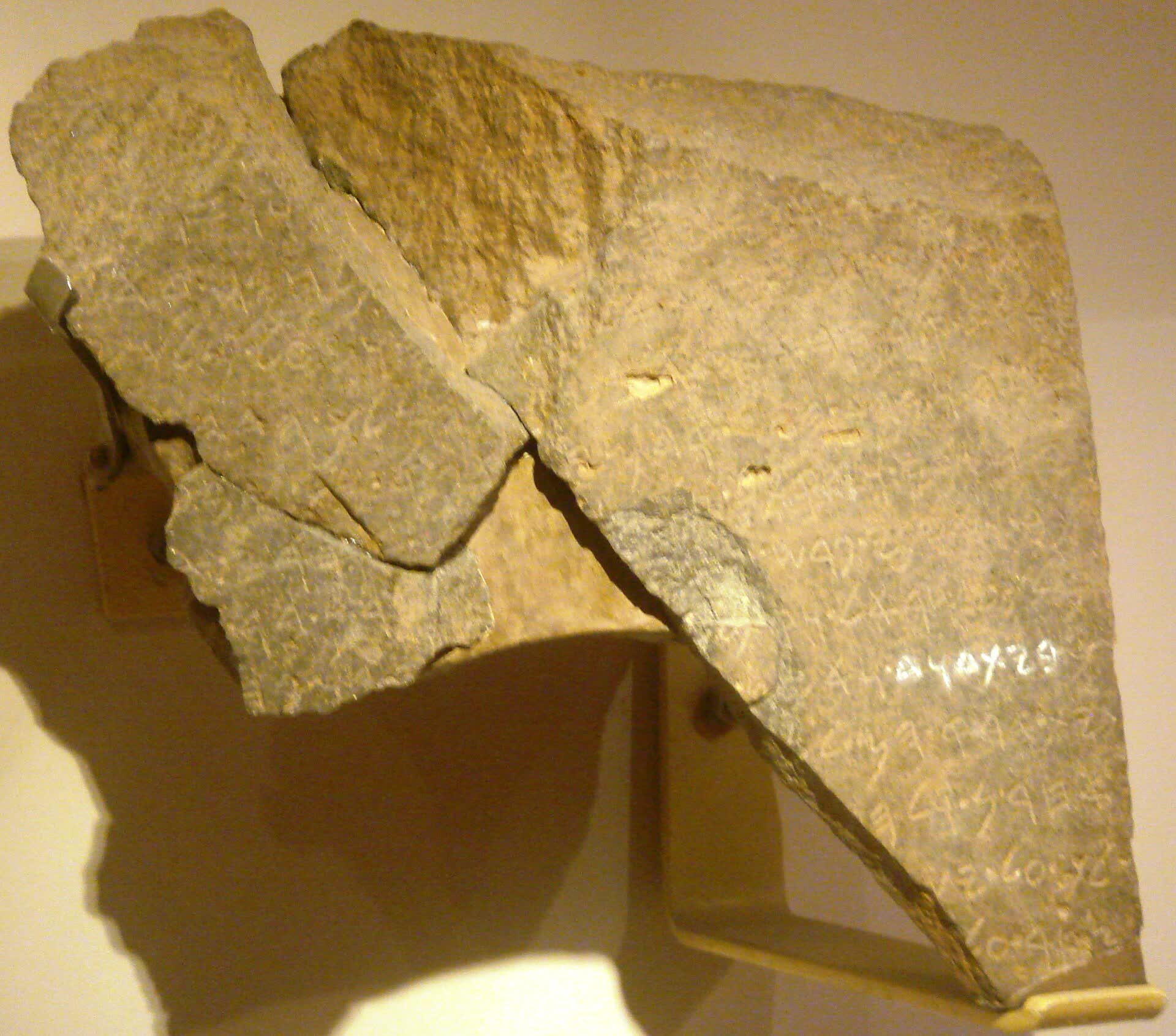
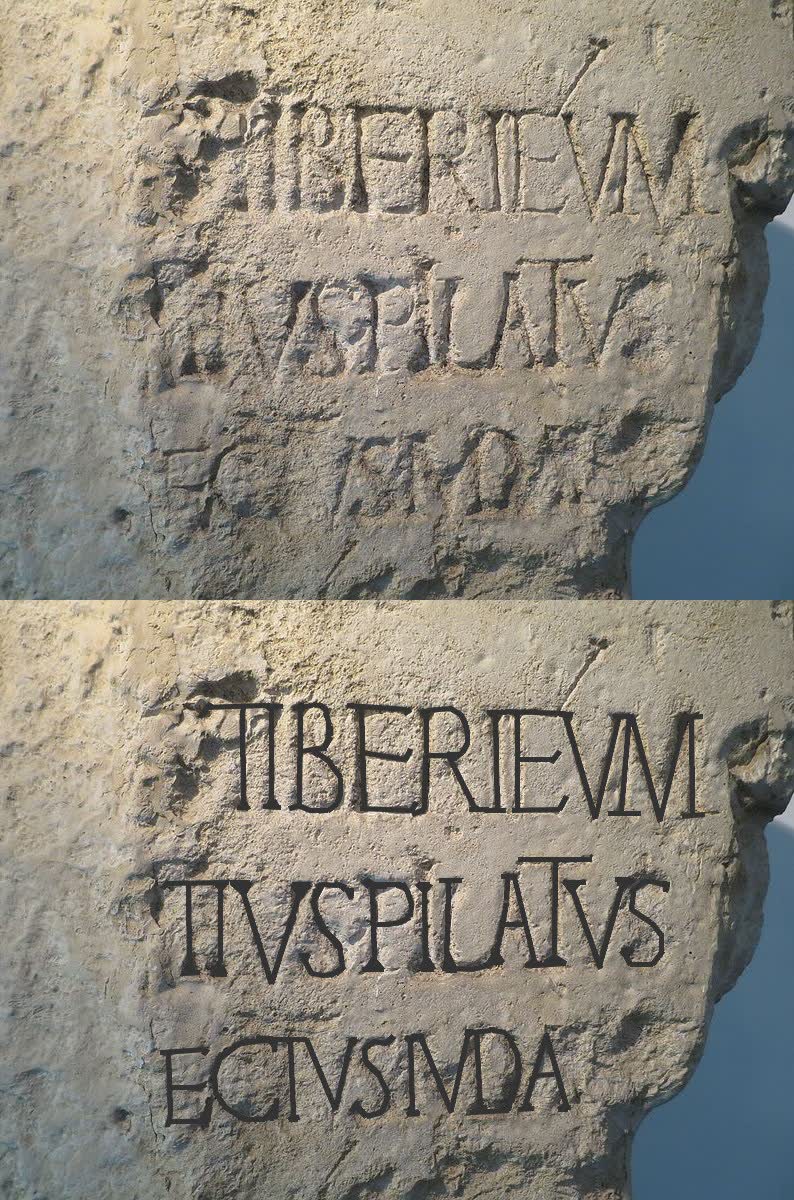
Archaeological Evidence
Physical discoveries confirming biblical accounts — 50+ cities, 30+ people verified by archaeology.
PART 05
Scientific & Rational Evidence
Observations about the universe and human nature that suggest divine design and creation.
PART 06
Transformational Evidence
Changed lives and cultural transformation resulting from Christian faith across 2,000 years.
PART 07
Comparative Evidence
Why Christianity stands out among world religions and worldviews — the cumulative case.
How to Use This Checklist
Each section presents evidence, explains its significance, and allows you to evaluate it. Ask yourself: Is this evidence credible? Does it point to the conclusion it claims? Are there alternative explanations? What would it take to disprove it? Does the cumulative weight support Christian claims?
Bring your questions on the evidence to the Scripture Desk →