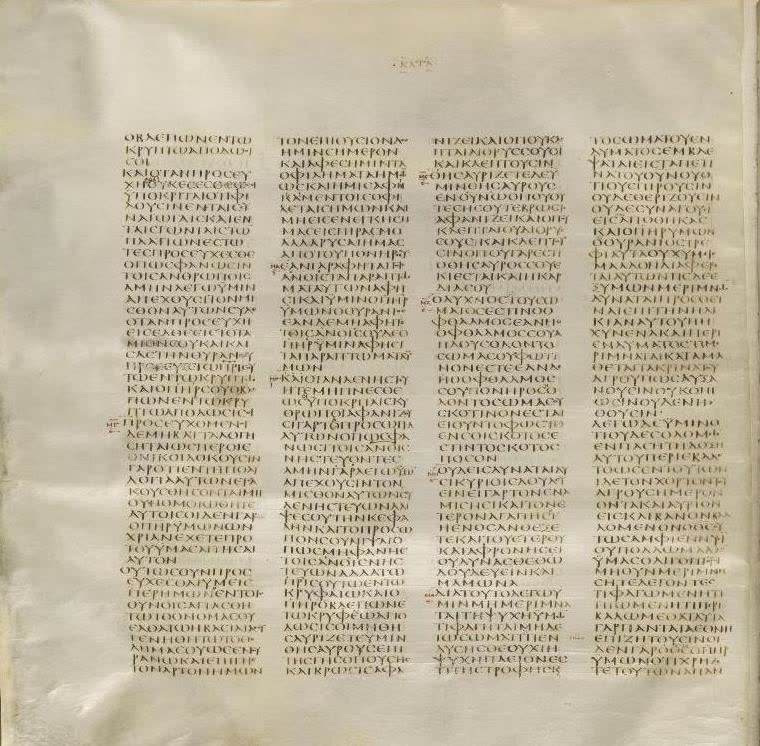
A page of Codex Sinaiticus, one of the oldest complete Greek Bibles

Skeptic · Checklist

Unknown scribe, 4th century · Public domain

Back to Research HubSTAGE: SKEPTIC · 11 PARTS

Is the Bible Reliable?

The Complete Evidence for Biblical Trustworthiness

11 parts · about 45 min with the PDF

Quick Facts

25,000+

Manuscripts

Complete and partial manuscripts — more than any other ancient text

25–50 years

Time Gap

Between originals and earliest copies (NT) — smallest of any ancient text

99.5%

Textual Accuracy

Highest accuracy rate of any ancient document

50+ cities

Archaeological Confirms

30+ people verified — 100% accuracy where testable

300+

Fulfilled Prophecies

Messianic prophecies — mathematically impossible without divine inspiration

250 BC

Dead Sea Scrolls

1,000 years older than previous oldest manuscripts — confirming accuracy

Table of Contents

  1. Introduction: Why Biblical Reliability Matters
  2. Old Testament Manuscript Evidence
  3. New Testament Manuscript Evidence
  4. The Dead Sea Scrolls
  5. Archaeological Evidence (Comprehensive)
  6. Textual Criticism & Accuracy
  7. Scientific Accuracy in Scripture
  8. Fulfilled Prophecy
  9. Common Objections Thoroughly Answered
  10. Scholarly Consensus
  11. Conclusion: The Evidence Speaks

Bring your questions on the Bible's reliability to the Scripture Desk →
The Evidence on the Table

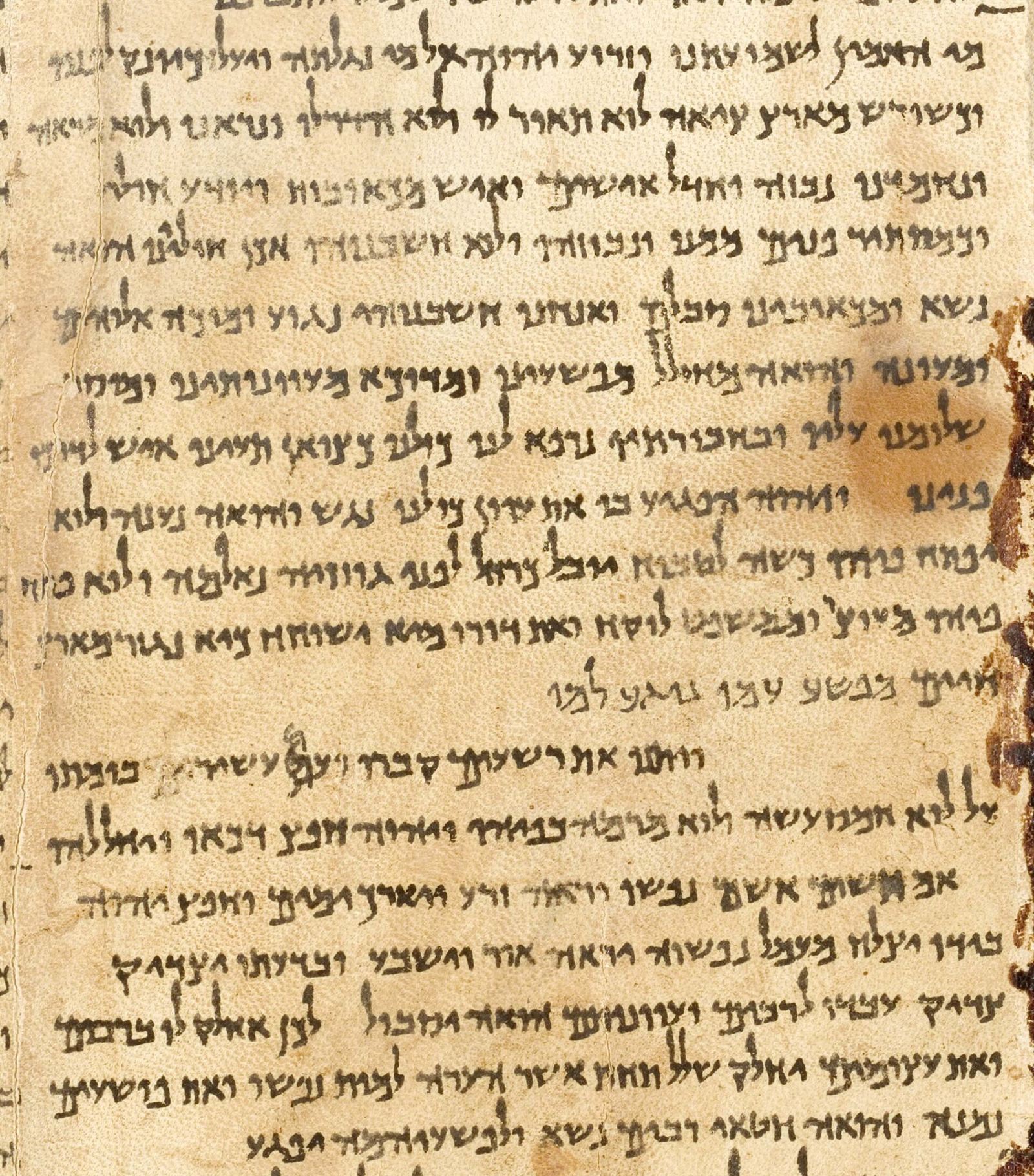
Column detail of the Great Isaiah Scroll, Hebrew script on parchment

A column of the Great Isaiah Scroll (c. 125 BC) from Qumran — a complete Hebrew Isaiah a thousand years older than any copy previously known, and the text held.

Photograph by Ardon Bar Hama / Google Art Project · Public domain

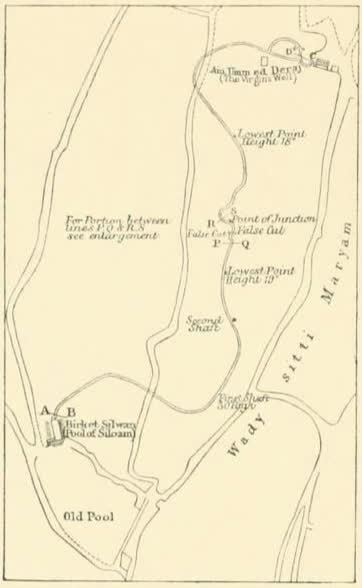
1884 survey sketch of Hezekiah’s tunnel beneath Jerusalem

The 1884 survey sketch of Hezekiah’s tunnel beneath Jerusalem — the 8th-century-BC waterworks whose Siloam Inscription confirms the account in 2 Kings 20.

Charles Warren & Claude Conder, 1884 · Public domain

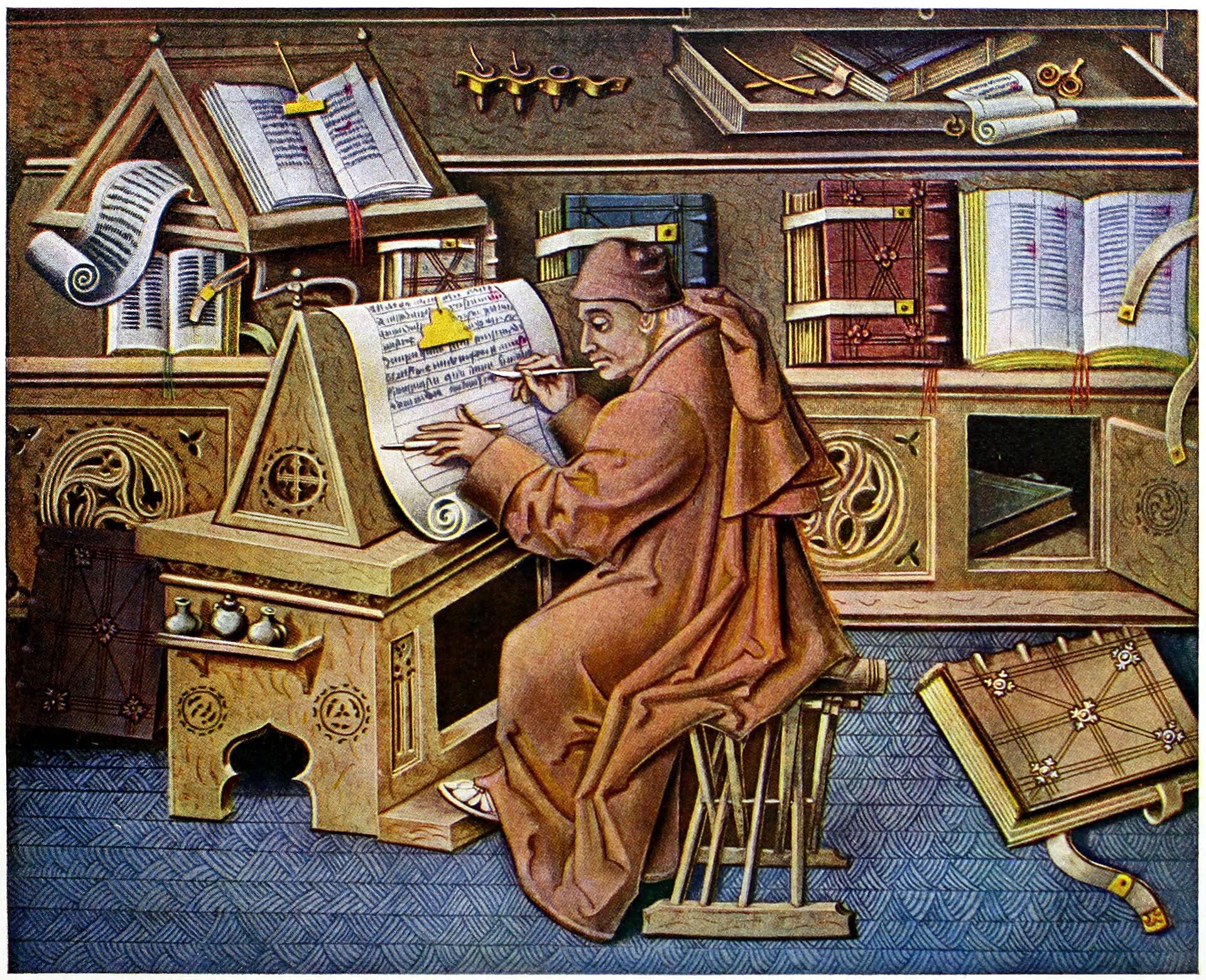
A 15th-century miniature of the scribe Jean Miélot at work in a scriptorium

The scribe Jean Miélot at his desk, painted in the 15th century — Scripture copied by hand, line by disciplined line, for a thousand years before print.

Jean Le Tavernier, 15th century · Public domain

Where I'm honest with you

Some of the answers in this resource are strong — well-attested, widely accepted, and historically grounded. Others are an honest step of faith — positions I hold because of Scripture and personal experience, not because I can prove them in a lab. I've tried to be clear about which is which. Where I'm less certain, I say so.

"The grass withereth, the flower fadeth: but the word of our God shall stand for ever." — Isaiah 40:8 (KJV)