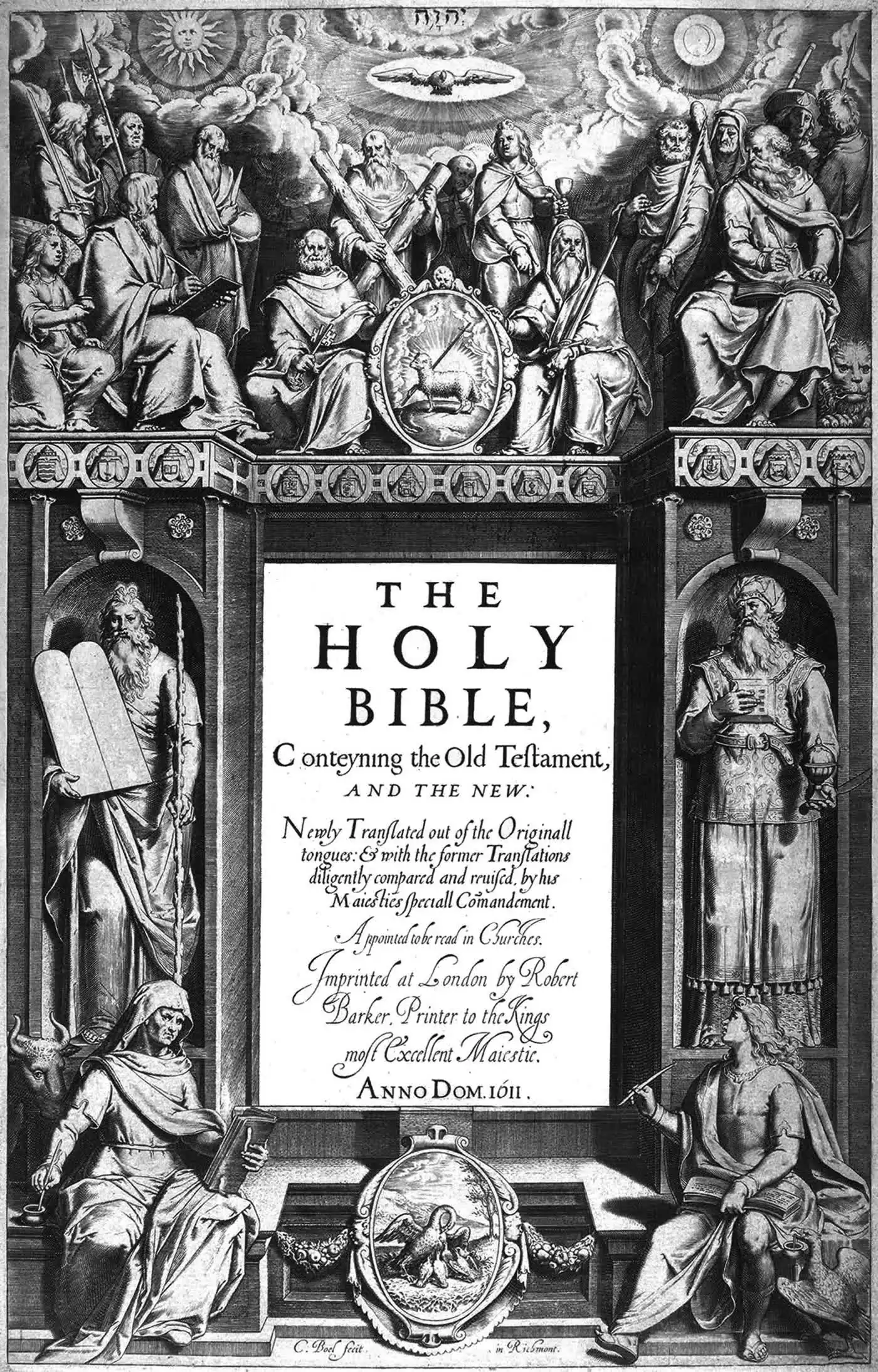
Engraved title page of the 1611 King James Bible

Witness · Guide

Church of England, 1611 · Public domain

Back to Research Hub

The Spiritual Growth Pathway

Read the paper (PDF)·or read it here ↓

FROM SKEPTIC TO WITNESS, READ IN SCRIPTURE

The five stages this site uses — Skeptic, Seeker, Believer, Disciple, Witness — tested against the Bible, with the people of Scripture who walked each one and the next step for wherever you stand.

Abstract

This site arranges its studies along a path of five stages: Skeptic, Seeker, Believer, Disciple and Witness. Is that path biblical, or only a convenient map? This paper tests it against the King James Bible, stage by stage, through the people Scripture shows at each point — Thomas and Nathanael, Nicodemus and the Ethiopian, the three thousand at Pentecost, the disciples who counted the cost, the Samaritan woman and the healed man of Gadara — and against the church's long reflection on spiritual growth in Augustine's Confessions, Bunyan's The Pilgrim's Progress and J. C. Ryle's Holiness. It concludes that the five stages describe real and recognisable seasons, but with three corrections the Bible insists on: the move from seeker to believer is a crossing from death to life, not a step on a slope; witness begins the day a person is saved, not at the end of the road; and growth never finishes in this life. Each stage closes with marks, struggles and a next step. It is for anyone wanting to know where they stand, and for those helping others.

What’s inside

  1. Introduction
  2. Part 1: Testing the Map
  3. Part 2: The Skeptic
  4. Part 3: The Seeker
  5. Part 4: The Believer
  6. Part 5: The Disciple
  7. Part 6: The Witness
  8. Part 7: Moving Between Stages: Stalls, Setbacks and Returns
  9. Conclusion

Research paper · 9 chapters · 8 notes · October 2026

"But the path of the just is as the shining light, that shineth more and more unto the perfect day." — Proverbs 4:18 (KJV)Read in the 1611 →

Read the paper here

About 38 minutes · 9 parts · the PDF has the same text

Introduction

3 min read

"But the path of the just is as the shining light, that shineth more and more unto the perfect day" (Proverbs 4:18). The Bible often pictures the life of faith as a road: a way to walk, a race to run, a pilgrimage to finish. Roads have stages. You are further along at noon than at dawn.

This site uses a simple map of that road with five stages: Skeptic, Seeker, Believer, Disciple and Witness. Every study paper on kylelauriano.com is tagged with one of them, and the short assessment at kylelauriano.com/start-here suggests where a reader might begin. It is a useful map. But a map is only as good as its faithfulness to the ground. So this paper asks a straightforward question: does Scripture support this path, and where does it correct it?

Why the question matters

It matters because maps shape travellers. If you think the Christian life is a ladder you climb by effort, you will either despair at the bottom rung or grow proud near the top. If you think conversion is just one more step on a gentle slope, you may never realise you have not yet crossed from death to life. If you think witness is for the advanced, you may stay silent for years about the best news you ever heard. The way we describe the road affects how people walk it.

What this paper is

This is a study, not a personality test. It reads the King James Bible first, stage by stage, looking at the people Scripture itself shows at each point of the road. It then sets beside the Bible some of the classic Christian writing on how faith begins and grows — Augustine's Confessions, John Bunyan's The Pilgrim's Progress, and J. C. Ryle's chapter on growth in his book Holiness — quoted from their own pages and footnoted so you can check them.

Part 1 tests the map as a whole. Parts 2 to 6 take each stage in turn: what Scripture shows, the marks of that season, its common struggles, and the next step. Part 7 deals with the movement between stages — stalls, setbacks and returns. A conclusion follows.

My own road

I was raised Roman Catholic but never really connected — I went through the motions, fell asleep in the pews, and faked being sick to skip Mass. College was rebellion: parties, drugs, freedom I loved and abused.

When real life hit — a lost job, a pregnant wife, constant fights — I went looking for peace anywhere I could find it. New Age, crystals, astral projection, tarot, angel numbers. None of it held. So I swung back hard to religion, said the rosary every night, and still felt nothing.

Eventually I gave up and called myself an atheist. I decided to read the Bible for one reason: to disprove it, so I'd have an excuse to stop going to church for good.

It did the opposite. Genesis gripped me. In Matthew I read Jesus' own words and felt the weight of my own sin for the first time. I wept at worship music I'd never have been caught listening to. Then one day I got on my knees and prayed: "Jesus, if you are real, show me — and I'll serve you." A warmth ran from the top of my head to the soles of my feet. Peace I'd never known, and it didn't leave.

I came to faith in 2022, and my wife came to faith a month later. Today we're raising three kids in a home that was transformed — and I haven't stopped telling people since.

That is my story; the full version is at kylelauriano.com/about. You can see in it a skeptic, a seeker, a believer, and someone who has not stopped telling people. I will come back to it at each stage. Your road will look different. The Lord who walks it with you is the same.

A note on Scripture: every verse in this paper is quoted from the King James Bible. You can read it free in the 1611 Reader at kylelauriano.com/library. A KJV with Strong's Concordance is the best study tool most believers will ever own.
Part 1 — Testing the Map

6 min read

This part matters because before we use the five stages, we should be honest about what they are. They are a ministry tool. They are not a doctrine. So we need to see where Scripture supports them and where it adds something they cannot show on their own.

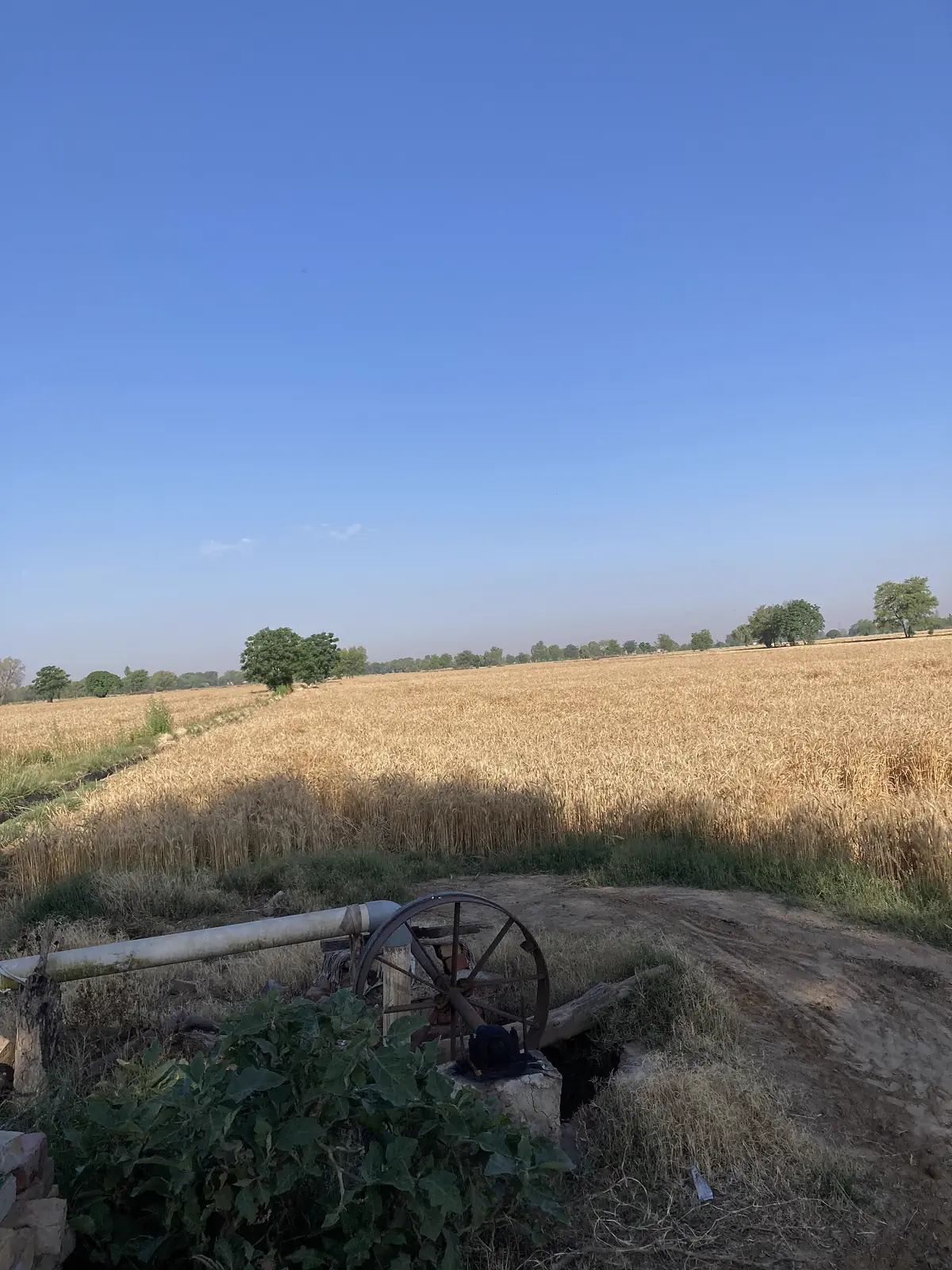
A wheat field at harvest time
Wheat at harvest — the image Jesus reached for when He said the harvest is plentiful but the workers are few (Matthew 9).Chparveshtaak · CC BY-SA 4.0

The Bible does describe stages

Scripture plainly recognises that people are at different points on the road, and that they need different things.

John writes to three groups in his church: "I write unto you, little children, because your sins are forgiven you for his name's sake. I write unto you, fathers, because ye have known him that is from the beginning. I write unto you, young men, because ye have overcome the wicked one" (1 John 2:12-13). He then adds of the young men, "ye are strong, and the word of God abideth in you, and ye have overcome the wicked one" (1 John 2:14). Little children, young men, fathers: three seasons of the Christian life, each with its own mark.

Paul tells the Corinthians, "I have fed you with milk, and not with meat: for hitherto ye were not able to bear it" (1 Corinthians 3:2). Hebrews rebukes believers who should have moved on: "For when for the time ye ought to be teachers, ye have need that one teach you again which be the first principles of the oracles of God; and are become such as have need of milk, and not of strong meat" (Hebrews 5:12). Peter tells new believers, "As newborn babes, desire the sincere milk of the word, that ye may grow thereby" (1 Peter 2:2). Growth is expected, and its stages are named.

And the Lord Himself used a picture of gradual growth: "So is the kingdom of God, as if a man should cast seed into the ground; And should sleep, and rise night and day, and the seed should spring and grow up, he knoweth not how. For the earth bringeth forth fruit of herself; first the blade, then the ear, after that the full corn in the ear" (Mark 4:26-28). First the blade, then the ear, then the full corn. Stages are built into the way God's kingdom grows.

The Bible also describes the time before faith

Scripture does not only describe growth after conversion; it also shows people before it. There are scoffers: "The fool hath said in his heart, There is no God" (Psalm 14:1). There are honest doubters, like Thomas. There are seekers, like Nicodemus coming by night and the Ethiopian reading Isaiah in his chariot. The first two stages of the map — Skeptic and Seeker — are not invented. They are populated by real people in the text.

Three corrections Scripture insists on

The map is useful. But Scripture insists on three things that a simple line of five stages cannot show by itself.

First: the step from Seeker to Believer is not a step but a crossing. The other moves on the map are matters of degree — more trust, more knowledge, more fruit. This one is not. The Lord said, "Verily, verily, I say unto you, He that heareth my word, and believeth on him that sent me, hath everlasting life, and shall not come into condemnation; but is passed from death unto life" (John 5:24). Paul says God "hath delivered us from the power of darkness, and hath translated us into the kingdom of his dear Son" (Colossians 1:13). And again: "Therefore if any man be in Christ, he is a new creature: old things are passed away; behold, all things are become new" (2 Corinthians 5:17). A seeker, however sincere, is still outside. A believer, however weak, is inside. Between them is not a slope but a door, and the door is Christ.

That is why Jesus told Nicodemus, a deeply religious seeker, "Except a man be born again, he cannot see the kingdom of God" (John 3:3). Being born is not a matter of degree. You are either born or you are not.

Second: witness is not the last stage. On the map, Witness comes fifth. In Scripture, it often comes first. The Samaritan woman ran back to her town the same day she met Jesus (John 4:28-30). The man delivered at Gadara was sent home immediately to tell his friends (Mark 5:19). Andrew, the day he met the Lord, "first findeth his own brother Simon" (John 1:41). Saul of Tarsus, within days of his conversion, "straightway he preached Christ in the synagogues" (Acts 9:20). Every believer is a witness from the start. What grows is the depth, skill and fruitfulness of the witness, and, in some, the call to train others.

Third: growth never finishes in this life. The map ends at Witness, but the road does not. Paul, near the end of his ministry, wrote, "Not as though I had already attained, either were already perfect: but I follow after" (Philippians 3:12), and "I press toward the mark for the prize of the high calling of God in Christ Jesus" (Philippians 3:14). Peter's last written words to the church were "But grow in grace, and in the knowledge of our Lord and Saviour Jesus Christ" (2 Peter 3:18). The Witness is still a disciple, still a believer, and, on his worst days, still a man who needs to say "Lord, I believe; help thou mine unbelief" (Mark 9:24).

What growth is, and what it is not

J. C. Ryle, the nineteenth-century bishop of Liverpool, wrote a chapter titled simply "Growth" in his book Holiness. He was careful to say what he did and did not mean. Growth, he wrote, does not mean that a believer becomes more justified or more forgiven than he was the moment he believed. Then he defined it:

When I speak of "growth in grace" I only mean increase in the degree, size, strength, vigour, and power of the graces which the Holy Spirit plants in a believer's heart.

He went on: "I hold that repentance, faith, hope, love, humility, zeal, courage, and the like, may be little or great, strong or weak, vigorous or feeble, and may vary greatly in the same man at different periods of his life."1 That is a healthy way to read the last three stages of the map. Believer, Disciple and Witness are not three ranks of Christian. They are three ways of describing the same graces at different strengths.

A map, not a ladder

So we will use the five stages, but as a map of seasons, not a ladder of merit. You do not earn your way from one to the next. God draws people — "No man can come to me, except the Father which hath sent me draw him" (John 6:44) — and God gives the growth: "I have planted, Apollos watered; but God gave the increase" (1 Corinthians 3:6). Our part is to respond, to seek, to believe, to obey, and to use the means He gives. His part is everything else. "Being confident of this very thing, that he which hath begun a good work in you will perform it until the day of Jesus Christ" (Philippians 1:6).

| Stage | The question of the season | A Scripture picture | |---|---|---| | Skeptic | Is any of this true? | Thomas: "I will not believe" (John 20:25) | | Seeker | If it is true, what must I do? | The jailer: "Sirs, what must I do to be saved?" (Acts 16:30) | | Believer | I am His. How do I live now? | Newborn babes desiring milk (1 Peter 2:2) | | Disciple | Will I follow Him whatever it costs? | "Let him deny himself, and take up his cross daily" (Luke 9:23) | | Witness | Who will I tell, and whom will I train? | "Commit thou to faithful men" (2 Timothy 2:2) |

Part 2 — The Skeptic

4 min read

This part matters because many people begin the road by doubting it exists. Scripture does not despise them. It answers them.

Who the skeptic is

A skeptic doubts that God exists, that the Bible is true, or that Jesus is who He claimed. Some skeptics are hostile, some are indifferent, and some are honest people who simply have not seen enough evidence. Scripture distinguishes between the scoffer who will not look — "The fool hath said in his heart, There is no God" (Psalm 14:1) — and the doubter who wants to know. It speaks sternly to the first and patiently to the second.

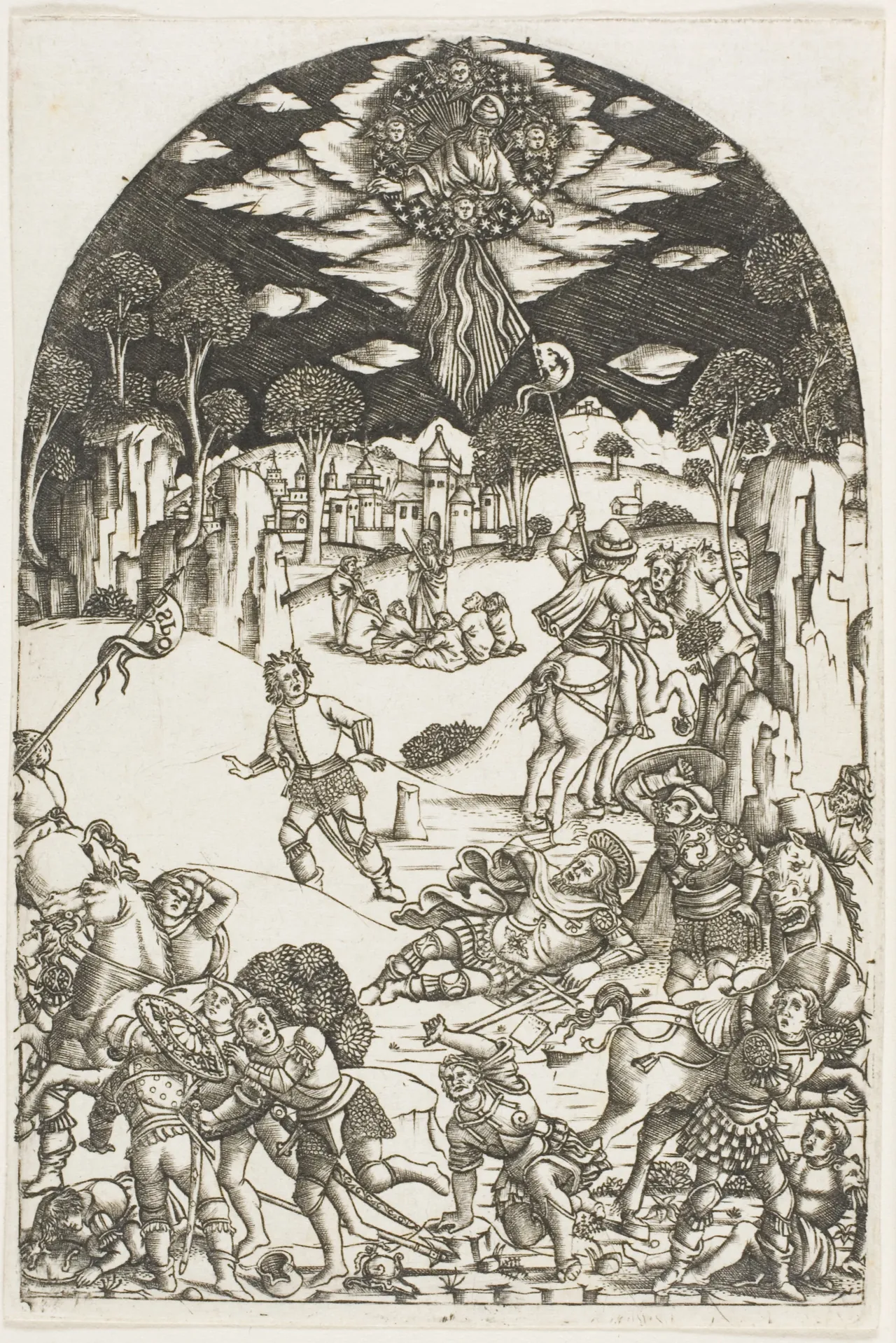
The Conversion of Saint Paul
An Italian engraving of the Conversion of Saint Paul, recalling Saul of Tarsus, the determined opponent whose road to faith this part follows among the skeptics.The Conversion of Saint Paul · n.d. · Art Institute of Chicago · CC0 · museum record · Galeria Regni

Thomas

The most famous skeptic in the Gospels was one of the twelve. When the other disciples told him they had seen the risen Lord, "he said unto them, Except I shall see in his hands the print of the nails, and put my finger into the print of the nails, and thrust my hand into his side, I will not believe" (John 20:25).

Notice what the Lord did. He did not cast Thomas out. Eight days later He came again, "and stood in the midst, and said, Peace be unto you. Then saith he to Thomas, Reach hither thy finger, and behold my hands; and reach hither thy hand, and thrust it into my side: and be not faithless, but believing" (John 20:26-27). He met the doubter on the doubter's terms. And Thomas made the highest confession in the Gospels: "My LORD and my God" (John 20:28).

Then Jesus said something for every later reader: "blessed are they that have not seen, and yet have believed" (John 20:29). And John explains why he wrote his Gospel: "But these are written, that ye might believe that Jesus is the Christ, the Son of God; and that believing ye might have life through his name" (John 20:31). The written record is the Lord's provision for skeptics who were not in the room.

Nathanael

Nathanael's skepticism was cultural. When Philip told him the Messiah was "Jesus of Nazareth", he answered, "Can there any good thing come out of Nazareth?" Philip did not argue. "Philip saith unto him, Come and see" (John 1:46). Within minutes Nathanael was saying, "Rabbi, thou art the Son of God; thou art the King of Israel" (John 1:49). Sometimes the best answer to a skeptic is an invitation to look for himself.

Saul of Tarsus

The fiercest skeptic in the New Testament was not a doubter but an enemy. Paul later said of himself, "I verily thought with myself, that I ought to do many things contrary to the name of Jesus of Nazareth" (Acts 26:9). He called himself one "Who was before a blasphemer, and a persecutor, and injurious: but I obtained mercy, because I did it ignorantly in unbelief" (1 Timothy 1:13). And he saw a purpose in his own story: "Howbeit for this cause I obtained mercy, that in me first Jesus Christ might shew forth all longsuffering, for a pattern to them which should hereafter believe on him to life everlasting" (1 Timothy 1:16). If the Lord could turn Saul, no skeptic is beyond Him.

The evidence God has given

Scripture says the skeptic is not left without witness. "For the invisible things of him from the creation of the world are clearly seen, being understood by the things that are made, even his eternal power and Godhead; so that they are without excuse" (Romans 1:20). Creation points to a Creator. The Scriptures record the life, death and resurrection of Jesus. And God invites inquiry: "Come now, and let us reason together, saith the LORD" (Isaiah 1:18).

The church has long had thinkers who came to faith through hard questions. C. S. Lewis, an atheist through his young adulthood, told the story of his conversion in Surprised by Joy and set out the case he came to believe in Mere Christianity. Lee Strobel, a journalist who set out to investigate the claims of Christ, wrote The Case for Christ. Their books are at kylelauriano.com/research in The Skeptic's List, with others.2

Marks of the skeptic stage

  • Doubt about God's existence, the Bible's reliability, or the claims of Jesus.
  • Questions about suffering, science, other religions or the church's failures.
  • A sense that faith is for other people, or that it requires switching off the mind.
  • Sometimes, beneath the arguments, a wound: a hypocrite remembered, a prayer unanswered, a loss.

Common struggles

  • Pride of intellect. It is easy to assume that doubting is more honest than believing. It is not; it is only another position that has to give reasons.
  • Never looking. Many skeptics have never read the Gospels for themselves. They reject a Jesus they have only heard about.
  • The hidden reason. Some doubts are really objections of the will: "If this is true, I would have to change." The honest skeptic asks himself whether he wants it to be true.

A guest's story

Michael Ray Lewis told his story on The King Is Coming Show (TKIC #48): an atheist who mocked Christians, until, in his telling, one question undid him. Watch it in his own words: youtube.com/watch?v=Rd-RdSqeQDk Michael's account of what happened to him, shared as his testimony — weigh it for yourself.

The next step

If you are a skeptic, the next step is to read the Bible for yourself. Start with the Gospel of John, which was written "that ye might believe" (John 20:31). Read it as you would read any ancient document — critically, honestly, all the way through. Ask hard questions and look for real answers. The studies tagged Skeptic at kylelauriano.com/research, such as Is the Bible Reliable?, The Historical Jesus and Common Objections, take the big questions one at a time.

And if you want to, try what Nathanael was told to do: "Come and see." In my own story: "I decided to read the Bible for one reason: to disprove it, so I'd have an excuse to stop going to church for good. It did the opposite."

Part 3 — The Seeker

6 min read

This part matters because there comes a point, for many people, when the question changes. It is no longer "Is any of this true?" but "If it is true, what must I do?" That is the seeker's question, and Scripture is full of seekers.

The slopes of the Mount of Beatitudes above the Sea of Galilee
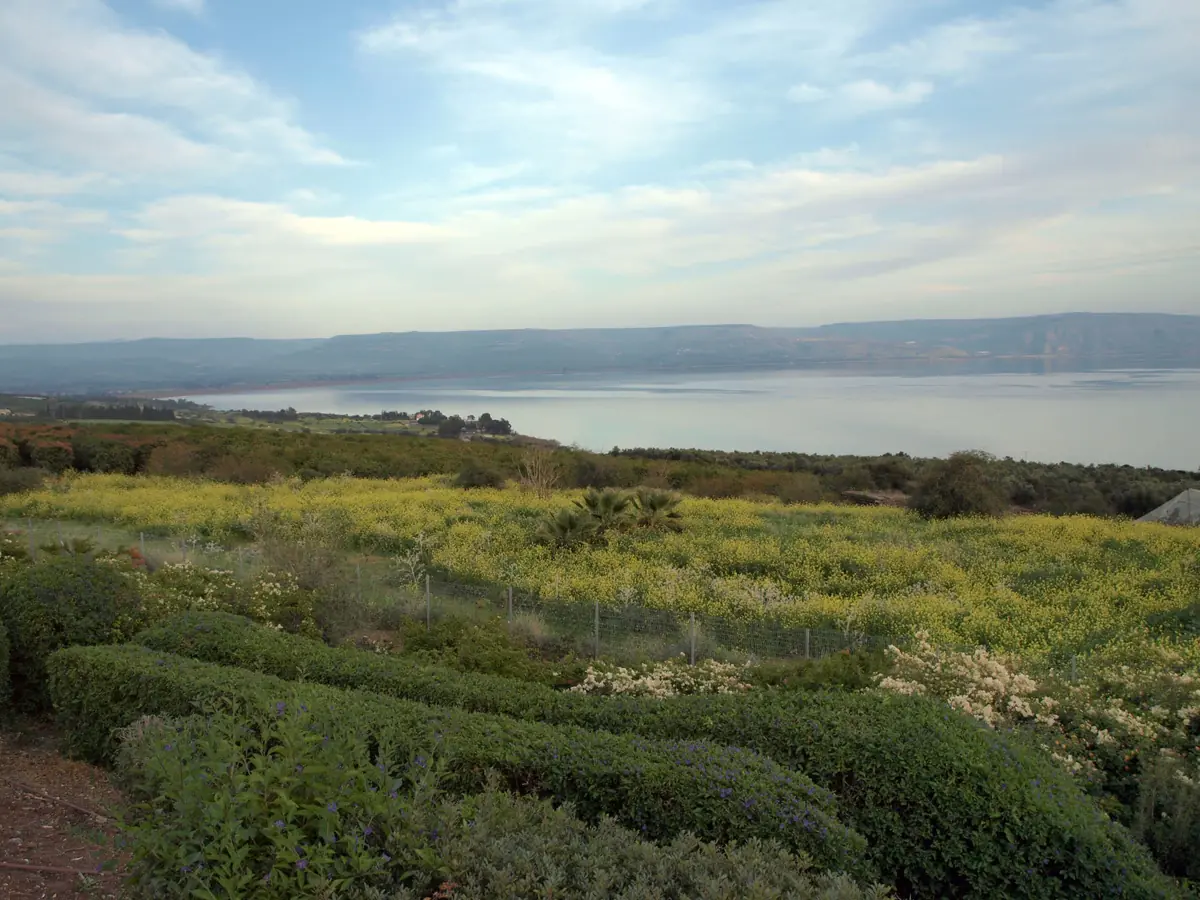
The slopes above the Sea of Galilee at the traditional Mount of Beatitudes — the natural amphitheater where the Sermon on the Mount was preached.Obendorf · CC0

God invites seeking

"And ye shall seek me, and find me, when ye shall search for me with all your heart" (Jeremiah 29:13). The Lord Jesus said, "Ask, and it shall be given you; seek, and ye shall find; knock, and it shall be opened unto you: For every one that asketh receiveth; and he that seeketh findeth" (Matthew 7:7-8). Paul told the philosophers of Athens that God made men "That they should seek the Lord, if haply they might feel after him, and find him, though he be not far from every one of us" (Acts 17:27). And Hebrews adds a promise: God "is a rewarder of them that diligently seek him" (Hebrews 11:6).

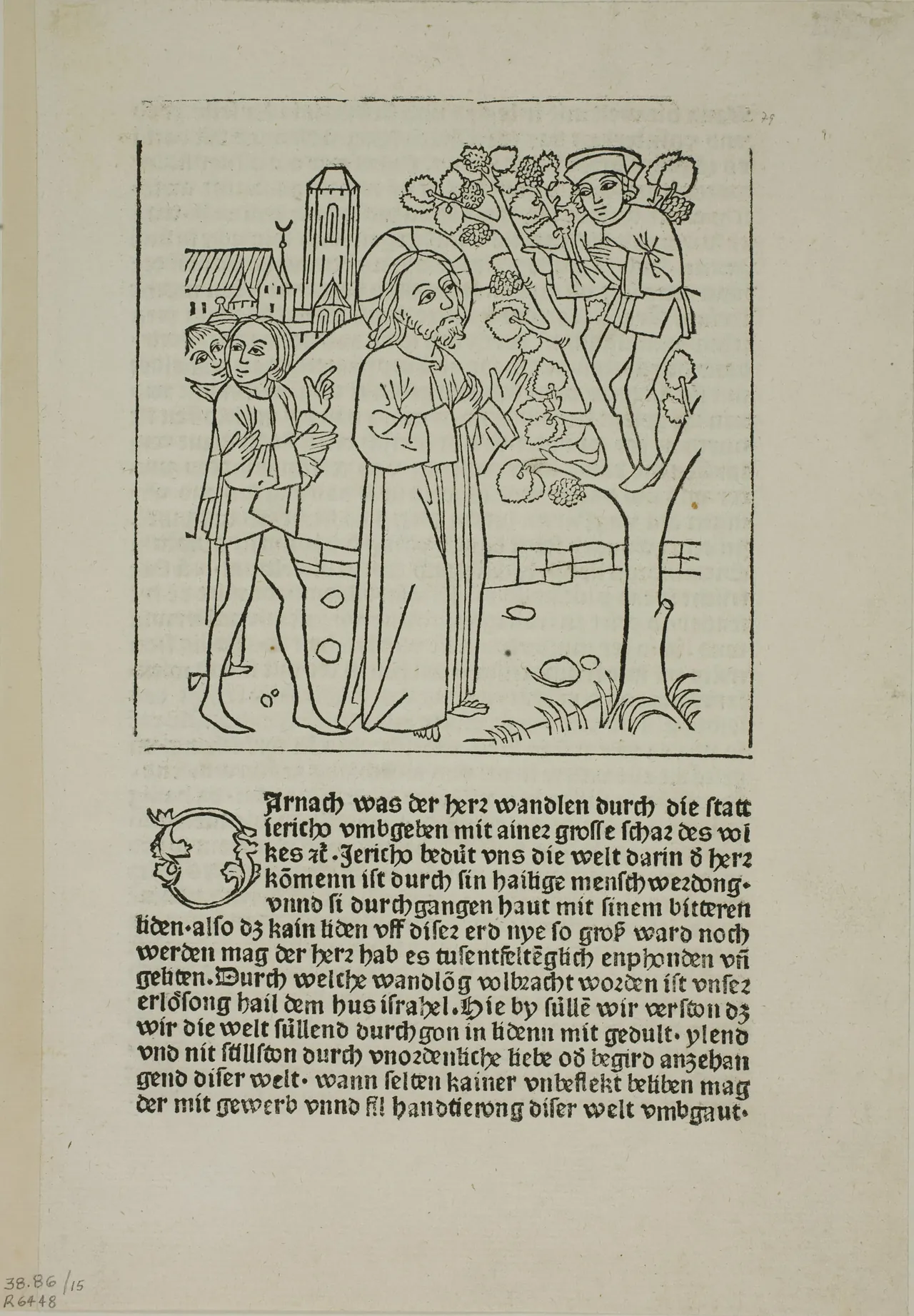
Jesus Calling Zacchaeus from Geistliche Auslegung des Lebens Jesu Christi (The Spiritual Interpretation of the Life of Christ), Plate 15 from Woodcuts from Books of the 15th Century
A German woodcut of about 1485 showing Jesus calling Zacchaeus down from the tree, one of the seekers this part follows on the way to faith.Jesus Calling Zacchaeus from Geistliche Auslegung des Lebens Jesu Christi (The Spiritual Interpretation of the Life of Christ), Plate 15 from Woodcuts from Books of the 15th Century · c. 1485, portfolio assembled 1929 · Art Institute of Chicago · CC0 · museum record · Galeria Regni

Seeking is not a lesser thing. It is what God asks for. But it is not the end of the road; it is the approach to a door.

Nicodemus

"There was a man of the Pharisees, named Nicodemus, a ruler of the Jews: The same came to Jesus by night" (John 3:1-2). He was religious, educated and respectable, and he was not sure. He came at night, perhaps for fear of what others would think. He began politely: "Rabbi, we know that thou art a teacher come from God" (John 3:2).

Jesus did not flatter him. "Verily, verily, I say unto thee, Except a man be born again, he cannot see the kingdom of God" (John 3:3). Nicodemus was puzzled: "How can a man be born when he is old?" (John 3:4). The Lord's answer led to the most famous verse in the Bible: "For God so loved the world, that he gave his only begotten Son, that whosoever believeth in him should not perish, but have everlasting life" (John 3:16).

We do not know exactly when Nicodemus crossed from seeking to believing. We see him later defending Jesus before the council (John 7:50-51), and at the end, after the crucifixion, he "brought a mixture of myrrh and aloes, about an hundred pound weight" to bury the Lord's body (John 19:39). The man who came by night came, in the end, in daylight. Some seekers move slowly. The Lord is patient with them.

The Ethiopian

On a desert road, Philip found a court official of Ethiopia reading the prophet Isaiah in his chariot. "Understandest thou what thou readest? And he said, How can I, except some man should guide me?" (Acts 8:30-31). Here is a seeker with Scripture in his hands and no one to explain it. "Then Philip opened his mouth, and began at the same scripture, and preached unto him Jesus" (Acts 8:35). The Ethiopian believed and was baptized that day; his confession, "I believe that Jesus Christ is the Son of God" (Acts 8:37), stands in the 1611, though many modern versions omit the verse. You can see every such place at kylelauriano.com/library/changes.

Cornelius and Zacchaeus

Cornelius was a Roman centurion, "A devout man, and one that feared God with all his house, which gave much alms to the people, and prayed to God alway" (Acts 10:2). He was a seeker who did everything he knew to do, and it was not enough; he needed to hear the gospel. When Peter came, Cornelius said, "Now therefore are we all here present before God, to hear all things that are commanded thee of God" (Acts 10:33). That is the posture of a seeker ready to cross over.

Zacchaeus was a tax collector, small and unpopular, who "sought to see Jesus who he was" and climbed a tree to do it (Luke 19:3-4). The Lord stopped beneath the tree and invited Himself to his house. The day ended with repentance — "Behold, Lord, the half of my goods I give to the poor" — and with the Lord's verdict: "This day is salvation come to this house... For the Son of man is come to seek and to save that which was lost" (Luke 19:8-10). Zacchaeus was seeking Jesus. He found that Jesus was seeking him.

Augustine: "our heart is restless"

The most famous seeker in church history wrote his own account. Augustine of Hippo, born in North Africa in the fourth century, spent years in philosophy and in the Manichaean sect, searching for truth and for freedom from his sins. His Confessions open with a prayer that has named the seeker's condition ever since:

Thou awakest us to delight in Thy praise; for Thou madest us for Thyself, and our heart is restless, until it repose in Thee.3

His crossing came in a garden in Milan. In great distress over his sins, he heard what sounded like a child's voice chanting, "Take up and read; Take up and read." He opened the apostle's letters and read the first passage his eyes fell on, the call to "put ye on the Lord Jesus Christ, and make not provision for the flesh" (Romans 13:14). Of that moment he wrote afterwards, "No further would I read; nor needed I," adding "for instantly at the end of this sentence, by a light as it were of serenity infused into my heart, all the darkness of doubt vanished away."4

In my own story: New Age, crystals, astral projection, tarot, angel numbers. None of it held. Many seekers try many doors before they find the one that opens.

Two guests who searched

Mike Shreve told his story on The King Is Coming Show (TKIC #46): a Kundalini guru who, in his telling, was born again on a Tampa roadside. Watch it in his own words: youtube.com/watch?v=oqAq58bDC4k Mike's account of what happened to him, shared as his testimony — weigh it for yourself.
Steve Kang told his story on The King Is Coming Show (TKIC #49): he chanted eight hours a day to reach nirvana, and, in his telling, woke up in hell instead. Watch it in his own words: youtube.com/watch?v=46SP1FgXfbY Steve's account of what happened to him, shared as his testimony — weigh it for yourself.

Marks of the seeker stage

  • Openness to the possibility that God is real and that Jesus is who He said.
  • Reading the Bible, asking questions, perhaps visiting a church.
  • A growing sense of one's own sin and need.
  • Fear of what faith would cost: friends, habits, family approval, control.

Common struggles

  • Seeking as a hiding place. Some people stay seekers for years because seeking feels safe. It keeps the question open and the cost unpaid. Scripture urges: "Seek ye the LORD while he may be found, call ye upon him while he is near" (Isaiah 55:6).
  • Seeking in the wrong places. The world offers many spiritual paths. Scripture says there is one door: "I am the way, the truth, and the life: no man cometh unto the Father, but by me" (John 14:6).
  • Waiting to feel ready. No one comes to Christ cleaned up first. "Him that cometh to me I will in no wise cast out" (John 6:37).

The next step

If you are a seeker, the next step is not more information but a response. When the crowd at Pentecost "were pricked in their heart, and said unto Peter and to the rest of the apostles, Men and brethren, what shall we do?", Peter answered, "Repent, and be baptized every one of you in the name of Jesus Christ for the remission of sins, and ye shall receive the gift of the Holy Ghost" (Acts 2:37-38). When the jailer asked, "Sirs, what must I do to be saved?", Paul and Silas said, "Believe on the Lord Jesus Christ, and thou shalt be saved, and thy house" (Acts 16:30-31).

Turn from your sin. Trust Christ, who died for sinners and rose again. Call on Him. "For whosoever shall call upon the name of the Lord shall be saved" (Romans 10:13). You can pray in your own words; there is no formula. Mine was "Jesus, if you are real, show me — and I'll serve you." Then tell someone, and be baptized.

The studies Becoming a Christian, First Prayers and Test God at kylelauriano.com/research are written for this moment, and the walk at kylelauriano.com/seeking takes it slowly.

Part 4 — The Believer

4 min read

This part matters because the day a person is born again is the beginning, not the end. A newborn is fully alive and fully a member of the family. But a newborn needs to be fed, held, protected and taught to walk.

The crossing

We have already seen that becoming a believer is a crossing, not a step: passed "from death unto life" (John 5:24), "translated" into the kingdom (Colossians 1:13), a "new creature" (2 Corinthians 5:17). It happens by grace through faith — "For by grace are ye saved through faith; and that not of yourselves: it is the gift of God: Not of works, lest any man should boast" (Ephesians 2:8-9) — and it involves turning: Paul preached "repentance toward God, and faith toward our Lord Jesus Christ" (Acts 20:21).

Bunyan pictured the moment of relief in The Pilgrim's Progress. His pilgrim, Christian, runs with a heavy burden on his back until he comes to a cross:

So I saw in my dream, that just as Christian came up with the cross, his burden loosed from off his shoulders, and fell from off his back, and began to tumble, and so continued to do, till it came to the mouth of the sepulchre, where it fell in, and I saw it no more.

Bunyan's pilgrim then stands and weeps with wonder that "the sight of the cross should thus ease him of his burden".5 Every believer knows something of that.

Baptism

The New Testament pattern is that believers are baptized promptly. At Pentecost, "they that gladly received his word were baptized" (Acts 2:41). The jailer was baptized "the same hour of the night" (Acts 16:33). Paul writes: "Therefore we are buried with him by baptism into death: that like as Christ was raised up from the dead by the glory of the Father, even so we also should walk in newness of life" (Romans 6:4). If you have believed and have not been baptized, that is your next act of obedience. The study Baptism Guide at kylelauriano.com/research explains it more fully.

Baptism is obedience to Christ. One guest on The King Is Coming Show tells of being baptized as a girl and, in her own telling, coming to saving faith years later.

Criselle Mendoza told her story on The King Is Coming Show (TKIC #51): baptized at 12 in Iglesia Ni Cristo, and, in her own telling, not saved until 2025. Watch it in her own words: youtube.com/watch?v=_7vjNP6A_z8 Criselle's account of what happened to her, shared as her testimony — weigh it for yourself.

Milk

"As newborn babes, desire the sincere milk of the word, that ye may grow thereby" (1 Peter 2:2). A new believer's first need is the word of God. Read it daily. Start with a Gospel, then Acts, then the shorter letters. Hebrews names the "first principles" a believer should learn: "the foundation of repentance from dead works, and of faith toward God, Of the doctrine of baptisms, and of laying on of hands, and of resurrection of the dead, and of eternal judgment" (Hebrews 6:1-2). Those are the believer's curriculum.

The church

The three thousand at Pentecost did not grow alone. "And they continued stedfastly in the apostles' doctrine and fellowship, and in breaking of bread, and in prayers" (Acts 2:42). A new believer needs a local church: teaching, fellowship, the Lord's Supper and prayer. The study Finding a Church at kylelauriano.com/research is a guide.

Assurance and warning

New believers often wonder whether their faith is real. Scripture speaks to that both ways. It gives real assurance: "These things have I written unto you that believe on the name of the Son of God; that ye may know that ye have eternal life" (1 John 5:13). And it calls for self-examination: "Examine yourselves, whether ye be in the faith; prove your own selves" (2 Corinthians 13:5). The study Assurance of Salvation takes up those texts together.

Marks of the believer stage

  • A real turning from sin to Christ, and trust in Him alone for salvation.
  • A new hunger for God's word, prayer and the company of believers.
  • A new sensitivity to sin: things that did not trouble you before now do.
  • Joy, often mixed with confusion and frequent stumbling.

Common struggles

  • Doubts about whether it was real. Feelings come and go. Faith rests on Christ and His word, not on the intensity of an experience.
  • Old habits. The new creature still lives in an old body in an old world. Sin is fought, not merely left behind. The study Overcoming Struggles is written for this.
  • Opposition. Family and friends may not understand. The Lord said some would receive the word with joy but have "not root" and fall away "when tribulation or persecution ariseth because of the word" (Matthew 13:21). Put down roots.
  • Drifting alone. A believer without a church is like a coal taken out of the fire. It cools quickly.

The next step

If you are a believer, the next step is to put down roots: daily Scripture, daily prayer, baptism if you have not been baptized, a local church, and one older believer who will walk with you. The studies tagged Believer at kylelauriano.com/research — New Believer 101, Bible Reading Basics, Prayer Essentials — are written for this season, and kylelauriano.com/prayed walks through the first week after someone has prayed.

Part 5 — The Disciple

5 min read

This part matters because the Lord did not call people to be believers only; He called them to be disciples. "Go ye therefore, and teach all nations" (Matthew 28:19) — the word in Greek behind "teach" here is the verb "to make disciples" (Strong's G3100). Every true believer is a disciple in principle. The disciple stage describes the season when that principle becomes a settled pattern of following Christ at cost.

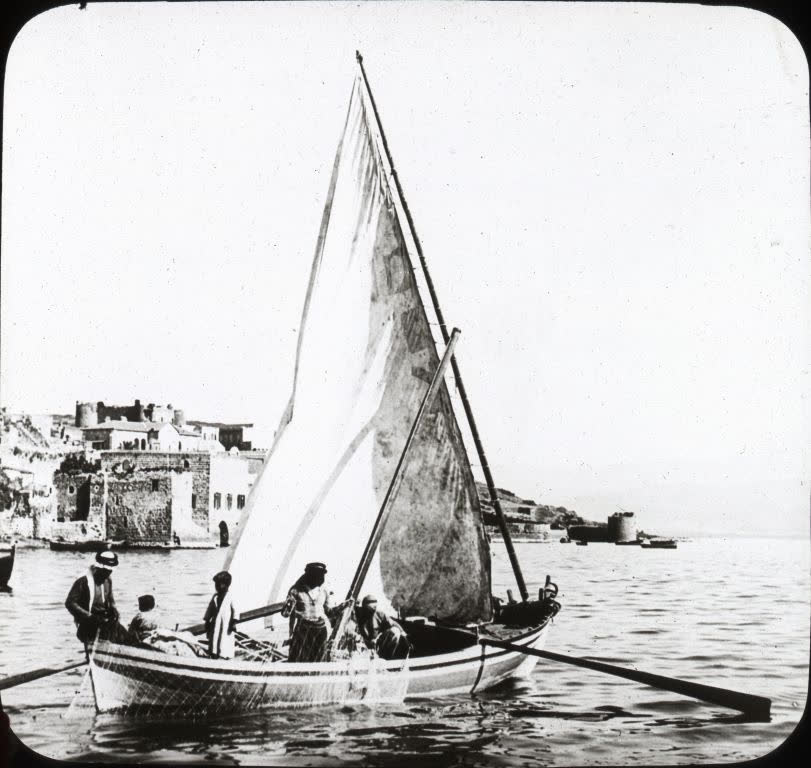
Fishing boats at rest on the Sea of Galilee
Fishing boats on the Sea of Galilee — the working world of the first disciples, called off these waters into a movement.OSU Special Collections & Archives · Public domain

The terms

Jesus never hid the cost. "If any man will come after me, let him deny himself, and take up his cross daily, and follow me" (Luke 9:23). He went further: "And whosoever doth not bear his cross, and come after me, cannot be my disciple" (Luke 14:27). And again: "So likewise, whosoever he be of you that forsaketh not all that he hath, he cannot be my disciple" (Luke 14:33).

These are not terms for an elite. They are the Lord's terms for everyone. But in practice, many believers live for years on milk before they face them squarely. The disciple stage is the season when a believer stops negotiating and says, with Paul, "But none of these things move me, neither count I my life dear unto myself" (Acts 20:24).

Continuing in the word

"Then said Jesus to those Jews which believed on him, If ye continue in my word, then are ye my disciples indeed; And ye shall know the truth, and the truth shall make you free" (John 8:31-32). Discipleship means continuing — not a burst of zeal, but steady, lifelong attention to the word. The psalmist describes it: "But his delight is in the law of the LORD; and in his law doth he meditate day and night. And he shall be like a tree planted by the rivers of water, that bringeth forth his fruit in his season" (Psalm 1:2-3).

This is biblical meditation: filling the mind with God's word and thinking it through, not emptying the mind. The Lord told Joshua, "This book of the law shall not depart out of thy mouth; but thou shalt meditate therein day and night, that thou mayest observe to do according to all that is written therein" (Joshua 1:8). The aim is obedience.

Bearing fruit

"Herein is my Father glorified, that ye bear much fruit; so shall ye be my disciples" (John 15:8). The fruit is first character: "But the fruit of the Spirit is love, joy, peace, longsuffering, gentleness, goodness, faith, Meekness, temperance" (Galatians 5:22-23). Peter gives a list of graces to add, one upon another: "add to your faith virtue; and to virtue knowledge; And to knowledge temperance; and to temperance patience; and to patience godliness; And to godliness brotherly kindness; and to brotherly kindness charity. For if these things be in you, and abound, they make you that ye shall neither be barren nor unfruitful in the knowledge of our Lord Jesus Christ" (2 Peter 1:5-8).

Renewed in mind

"I beseech you therefore, brethren, by the mercies of God, that ye present your bodies a living sacrifice, holy, acceptable unto God, which is your reasonable service. And be not conformed to this world: but be ye transformed by the renewing of your mind" (Romans 12:1-2). Discipleship reaches the whole life: body, mind, money, time, relationships, work. Paul calls it "your reasonable service" — the sensible response to mercy received.

Ryle's marks and means

Ryle listed marks by which growth can be recognised. Among them he named increased humility, increased faith and love towards Christ, increased holiness of life, increased spirituality of taste, increased charity, and increased zeal and diligence in trying to do good.6 He also observed that "we are very poor judges of our own condition, and that bystanders often know us better than we know ourselves" — a reason disciples need honest friends.

He then named the means God uses. He insisted that "growth in grace is bound up with the use of means within the reach of all believers". The first he listed was "diligence in the use of private means of grace", which he explained as "private prayer, private reading of the Scriptures, and private meditation and self-examination". The second was "carefulness in the use of public means of grace" — Sunday worship, prayer and praise with God's people, the preaching of the word, and the Lord's Supper. Then watchfulness "in the little matters of everyday life", and "caution about the company we keep and the friendships we form". And one more thing, he wrote, is "absolutely essential to growth in grace": "regular and habitual communion with the Lord Jesus".7

That is a sound summary of the disciple's life. There is nothing exotic in it. The means are ordinary; the grace is not.

From milk to meat

Hebrews describes the mature as those "who by reason of use have their senses exercised to discern both good and evil" (Hebrews 5:14). Maturity is not just knowing more; it is discernment trained by practice. And Paul describes the aim of all the church's teaching as believers growing "unto a perfect man, unto the measure of the stature of the fulness of Christ: That we henceforth be no more children, tossed to and fro, and carried about with every wind of doctrine" (Ephesians 4:13-14).

Marks of the disciple stage

  • A settled decision to follow Christ at cost, not only when convenient.
  • Steady, daily habits of Scripture, prayer and self-examination.
  • Growing fruit of the Spirit, recognised by others as well as yourself.
  • Discernment: the ability to tell sound teaching from unsound, and wisdom from folly.
  • Service in the church, and growing care for others' souls.

Common struggles

  • Dryness. Seasons when prayer feels empty and the word feels flat. These come to every disciple. Keep using the means; feelings follow obedience more often than they lead it.
  • Pride. "Knowledge puffeth up, but charity edifieth" (1 Corinthians 8:1). The more a disciple learns, the more he must watch his heart.
  • The thorns. The Lord warned of the seed choked by "the care of this world, and the deceitfulness of riches" (Matthew 13:22). Busy, comfortable lives are dangerous soil.
  • Spiritual attack. Disciples who make progress often meet opposition. The study Spiritual Warfare deals with that with Scripture and with guardrails.

The next step

If you are in the disciple season, the next step is twofold: keep growing, and start giving away what you have received. Ask your church where you can serve. Find a younger believer to read the Bible and pray with. The studies tagged Disciple at kylelauriano.com/research — Spiritual Disciplines, Bible Study Methods, Overcoming Struggles, Discipling Others — are written for this season.

Part 6 — The Witness

5 min read

This part matters because the Lord's last words before His ascension were about witness: "But ye shall receive power, after that the Holy Ghost is come upon you: and ye shall be witnesses unto me both in Jerusalem, and in all Judaea, and in Samaria, and unto the uttermost part of the earth" (Acts 1:8).

Every believer is a witness

As we saw in Part 1, witness is not reserved for the mature. The Samaritan woman "left her waterpot, and went her way into the city, and saith to the men, Come, see a man, which told me all things that ever I did: is not this the Christ?" (John 4:28-29). The result: "many of the Samaritans of that city believed on him for the saying of the woman" (John 4:39). She had known the Lord for less than a day.

The man at Gadara, freed from a legion of devils, begged to go with Jesus. "Howbeit Jesus suffered him not, but saith unto him, Go home to thy friends, and tell them how great things the Lord hath done for thee, and hath had compassion on thee" (Mark 5:19). He had no training at all. He had a story, and the Lord sent him to tell it.

Peter and John were "unlearned and ignorant men" in the eyes of the council, but "they took knowledge of them, that they had been with Jesus" (Acts 4:13). Their answer to the threat of punishment was simple: "For we cannot but speak the things which we have seen and heard" (Acts 4:20).

So what is the witness stage?

If every believer is a witness, what does the fifth stage on the map describe? It describes the season when witness becomes a settled way of life and begins to multiply. Three marks stand out.

Witness becomes habitual. Not an occasional burst of courage, but a life in which speaking of Christ is normal. Peter told every believer to "be ready always to give an answer to every man that asketh you a reason of the hope that is in you with meekness and fear" (1 Peter 3:15).

Witness becomes skilful. The mature witness knows the gospel well enough to explain it simply, answer common objections, and lead someone to Christ. Priscilla and Aquila heard the gifted Apollos and "took him unto them, and expounded unto him the way of God more perfectly" (Acts 18:26). That takes maturity.

Witness becomes reproductive. The full commission is not only to evangelise but to make disciples and teach them: "Go ye therefore, and teach all nations, baptizing them in the name of the Father, and of the Son, and of the Holy Ghost: Teaching them to observe all things whatsoever I have commanded you" (Matthew 28:19-20). Paul gave Timothy a four-generation chain: "And the things that thou hast heard of me among many witnesses, the same commit thou to faithful men, who shall be able to teach others also" (2 Timothy 2:2). Paul, Timothy, faithful men, others also. The witness stage is when a believer begins not only to tell but to train.

Paul's aim

Paul described his own ministry this way: "Whom we preach, warning every man, and teaching every man in all wisdom; that we may present every man perfect in Christ Jesus" (Colossians 1:28). His aim was not converts only but mature believers. The mature witness takes the long view: not just "Did they pray a prayer?" but "Are they walking with Christ, and are they now helping others walk?"

Strengthen thy brethren

The Lord's word to Peter on the night of his denial is a word for every witness who has failed: "But I have prayed for thee, that thy faith fail not: and when thou art converted, strengthen thy brethren" (Luke 22:32). Peter's witness was built on the far side of his worst failure. David, after his great sin, prayed, "Restore unto me the joy of thy salvation; and uphold me with thy free spirit. Then will I teach transgressors thy ways; and sinners shall be converted unto thee" (Psalm 51:12-13). Some of the most fruitful witnesses are those who know best what they have been forgiven.

I haven't stopped telling people

My own story ends with that line: "I haven't stopped telling people since." That is the witness stage, at its simplest. You do not have to be an expert. You have to have met Him, and be willing to say so.

A guest's story

Sy Garte told his story on The King Is Coming Show (TKIC #47): three generations of atheists, until, in his telling, a vision on a Pennsylvania highway. Watch it in his own words: youtube.com/watch?v=h-a_uZBKgDk Sy's account of what happened to him, shared as his testimony — weigh it for yourself.

Marks of the witness stage

  • Speaking of Christ is a normal part of life, not a rare event.
  • Able to explain the gospel clearly and answer common objections.
  • Investing in specific people to help them grow, and seeing them begin to help others.
  • A heart for the lost that shows in prayer, time and money.
  • Still a learner: humble, teachable and growing.

Common struggles

  • Fear. Even mature believers fear rejection. Paul asked for prayer "that I may open my mouth boldly" (Ephesians 6:19). Ask for the same.
  • Weariness. Investing in people is slow and sometimes disappointing. "Therefore, my beloved brethren, be ye stedfast, unmoveable, always abounding in the work of the Lord, forasmuch as ye know that your labour is not in vain in the Lord" (1 Corinthians 15:58).
  • Pride. Fruitfulness can tempt a witness to think the fruit is his. "I have planted, Apollos watered; but God gave the increase" (1 Corinthians 3:6).
  • Neglecting your own soul. The witness who stops being a disciple soon has nothing left to give. Keep feeding on the word.

The next step

If you are in this season, the next step is to multiply. Pray for and invest in a few faithful people who can teach others. Learn to tell your story well. The studies tagged Witness at kylelauriano.com/research — Craft Your Testimony, Evangelism Strategies, Raising Up Leaders, Discipleship Materials — are written to help.

Part 7 — Moving Between Stages: Stalls, Setbacks and Returns

4 min read

This part matters because the road is not a moving walkway. People stall. People slide back. People leave and come home. Scripture is honest about all of it, and it has a word for each.

The road is not a straight line

The map shows five stages in a row. Real lives rarely move that neatly. Some people move from skeptic to believer in a single day, as the jailer did. Some, like Nicodemus, spend a long time seeking. Some believers become fruitful witnesses quickly; others take years. And many people move back and forth: a believer may go through a season of real doubt, or a disciple may drift into worldliness and need to be restored.

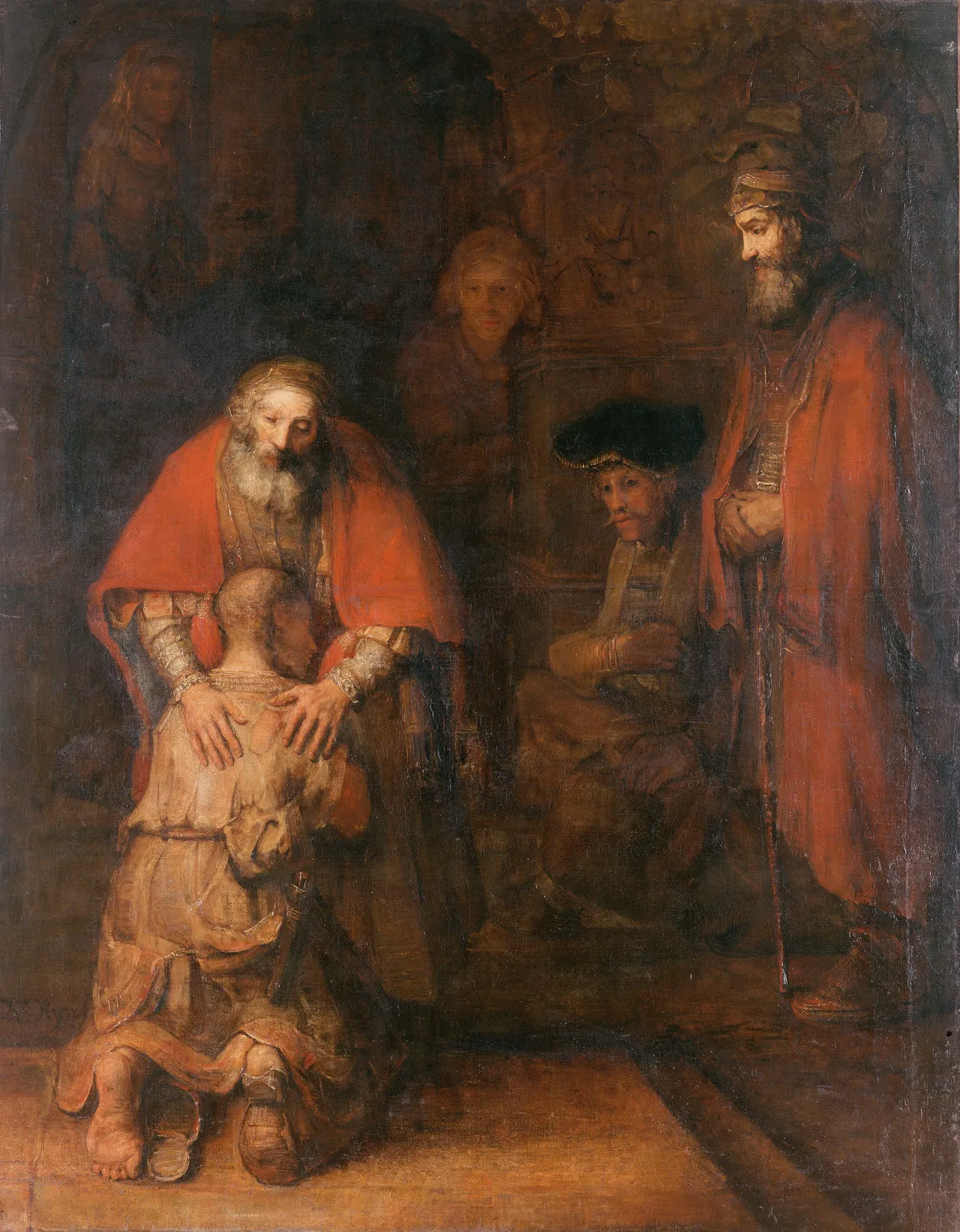
The Return of the Prodigal Son, Rembrandt van Rijn
Rembrandt's Return of the Prodigal Son, painted about 1668, showing the father receiving his son home, beside the counsel for those who have fallen away and come back.The Return of the Prodigal Son, Rembrandt van Rijn · c. 1668 · Wikimedia Commons · Public domain · museum record · Galeria Regni

The Lord's parable of the sower shows four kinds of hearer (Matthew 13:18-23). Only one of them bears lasting fruit: "But he that received seed into the good ground is he that heareth the word, and understandeth it; which also beareth fruit, and bringeth forth, some an hundredfold, some sixty, some thirty" (Matthew 13:23). Even among the fruitful, the yield differs. The Lord is not running a race of equals; He is tending a field.

When growth stalls

Ryle wrote that when there is no growth in a living thing, "there is something wrong".8 If you have stalled, ask honestly:

  • Have I stopped using the means? Private prayer, Scripture, the church, the Lord's Supper. Most stalls start here.
  • Is there unconfessed sin? "If we confess our sins, he is faithful and just to forgive us our sins, and to cleanse us from all unrighteousness" (1 John 1:9).
  • Am I running with weights? "Let us lay aside every weight, and the sin which doth so easily beset us, and let us run with patience the race that is set before us, Looking unto Jesus the author and finisher of our faith" (Hebrews 12:1-2).
  • What company am I keeping? Ryle named friendships as one of the chief reasons some believers "have entirely ceased to grow".8
  • Am I alone? A believer cut off from the church will stall. Find your way back.

When doubt returns

Doubt can come back even to mature believers. That is not the same as unbelief. The father who brought his son to Jesus cried, "Lord, I believe; help thou mine unbelief" (Mark 9:24), and the Lord healed his son. Jude tells the church, "And of some have compassion, making a difference" (Jude 1:22). If you are doubting, bring the doubt to the Lord and to a mature believer. Go back to the evidence. Go back to the Gospels. The skeptic's resources in Part 2 are for believers too.

When you have fallen away

Some readers once walked with Christ and have wandered far. The Lord's words to the church at Ephesus are for you: "Remember therefore from whence thou art fallen, and repent, and do the first works" (Revelation 2:5). And the picture He gave of the Father's welcome is for you too: "And he arose, and came to his father. But when he was yet a great way off, his father saw him, and had compassion, and ran, and fell on his neck, and kissed him" (Luke 15:20).

Scripture also speaks solemnly to those who fall away, and does not let anyone treat the warnings lightly (Hebrews 6:4-6; 10:26-31). The right response to those warnings is not despair but return. "Seek ye the LORD while he may be found... let him return unto the LORD, and he will have mercy upon him; and to our God, for he will abundantly pardon" (Isaiah 55:6-7). The site's walk at kylelauriano.com/rebuilding is written for those coming home.

Examining where you are

Paul told the Corinthians, "Examine yourselves, whether ye be in the faith; prove your own selves" (2 Corinthians 13:5). Self-examination is healthy when it leads to Christ, and unhealthy when it leads only to self. Here are some honest questions for each stage. They are not a score; they are a mirror.

| Stage | Questions to ask yourself | |---|---| | Skeptic | What exactly do I doubt, and why? Have I read the Gospels for myself? Would I want it to be true? | | Seeker | Do I believe Jesus died and rose again? What is stopping me from turning to Him? Am I seeking, or hiding in seeking? | | Believer | Have I repented and trusted Christ alone? Have I been baptized? Am I reading Scripture, praying and part of a church? | | Disciple | Have I settled that I will follow Christ whatever it costs? Is the fruit of the Spirit growing? Am I serving? | | Witness | Do I speak of Christ naturally? Can I explain the gospel? Whom am I helping to grow, and are they helping others? |

The short assessment at kylelauriano.com/start-here asks a few questions and suggests a place to begin on this site. It is a starting point, not a verdict. Only the Lord sees the heart.

For those helping others

If you are a pastor, parent, mentor or friend, the map can help you meet people where they are. A skeptic needs patient answers and an invitation to "Come and see". A seeker needs the gospel made plain and a call to respond. A new believer needs milk, a church and a friend. A disciple needs strong meat, honest accountability and a place to serve. A witness needs encouragement, training and someone to send out.

But remember what the map cannot do. It cannot convert anyone. "No man can come to me, except the Father which hath sent me draw him" (John 6:44). It cannot make anyone grow; "God gave the increase" (1 Corinthians 3:6). Use it to understand people and serve them better. Do not use it to rank them. Every believer, at every stage, is a child of God, bought with the same blood.

Conclusion

1 min read

"But the path of the just is as the shining light, that shineth more and more unto the perfect day" (Proverbs 4:18). The road from skeptic to witness is real. Scripture shows people at every point on it: Thomas with his demands for proof, Nicodemus coming by night, the three thousand baptized at Pentecost, disciples counting the cost, and a Samaritan woman running back to her town before the day was out.

The five stages are a fair map of that road, as long as we remember what Scripture adds. The step from seeker to believer is not a step but a crossing, from death to life, through Christ alone. Witness does not wait for maturity; it begins the day you meet Him. And growth never ends in this life; the best of us are still pressing toward the mark.

Wherever you are on the road, there is a next step, and there is grace for it. If you are a skeptic, read the Gospels. If you are a seeker, turn and trust Christ. If you are a believer, put down roots. If you are a disciple, keep going and begin to give it away. If you are a witness, multiply, and keep feeding your own soul.

A next step

The studies on this site are arranged by these five stages at kylelauriano.com/research. The free 1611 Reader at kylelauriano.com/library is the best companion for every stage. And the short assessment at kylelauriano.com/start-here can suggest where to begin.

An invitation

I came to disprove God. He met me instead — and I couldn't unsee what time it is. If you are anywhere on this road and not yet sure you belong to Him, the invitation is the Lord's own: "Come unto me, all ye that labour and are heavy laden, and I will give you rest" (Matthew 11:28). Repent, believe, and be baptized. Then take the next step, and the next. He who began the work will finish it. Free truth, no pressure.

Notes and sources

  1. 1J. C. Ryle, Holiness: Its Nature, Hindrances, Difficulties, and Roots, ch. 6, "Growth" (London: James Clarke, 1952 printing). Online: https://ccel.org/ccel/ryle/holiness. ↩
  2. 2C. S. Lewis, Surprised by Joy: The Shape of My Early Life (London: Geoffrey Bles, 1955); C. S. Lewis, Mere Christianity (London: Geoffrey Bles, 1952); Lee Strobel, The Case for Christ (Grand Rapids: Zondervan, 1998). ↩
  3. 3Augustine, Confessions 1.1, trans. E. B. Pusey. Online: https://www.gutenberg.org/ebooks/3296. ↩
  4. 4Augustine, Confessions 8.12, trans. Pusey. ↩
  5. 5John Bunyan, The Pilgrim's Progress from This World to That Which Is to Come (1678), Project Gutenberg edition. Online: https://www.gutenberg.org/ebooks/131. ↩
  6. 6Ryle, Holiness, ch. 6, "Growth". ↩
  7. 7Ryle, Holiness, ch. 6, "Growth". ↩
  8. 8Ryle, Holiness, ch. 6, "Growth". ↩

Bring your questions on the growth pathway to the Scripture Desk →

The Last Judgement, John Martin, 1853

Keep reading · Seven mornings by email

Seven people who say they met Jesus. What happened, in their own words.

Seven testimonies from The King Is Coming Show, one a morning — the story as they tell it, the verse the story lands on in the 1611 King James, and the page itself. Then the teaching that explains it. Free.

Start the seven days

Free. One a morning. Unsubscribe with one tap.

Where I'm honest with you

This is practical teaching, not proof. It's drawn from Scripture and from walking this road myself. If you're still weighing the basics — whether God is real, whether the Bible can be trusted — I'd encourage you to start with the Skeptic resources in the Research Hub before diving in here.

"But grow in grace, and in the knowledge of our Lord and Saviour Jesus Christ." — 2 Peter 3:18 (KJV)