Disciple · Evidence
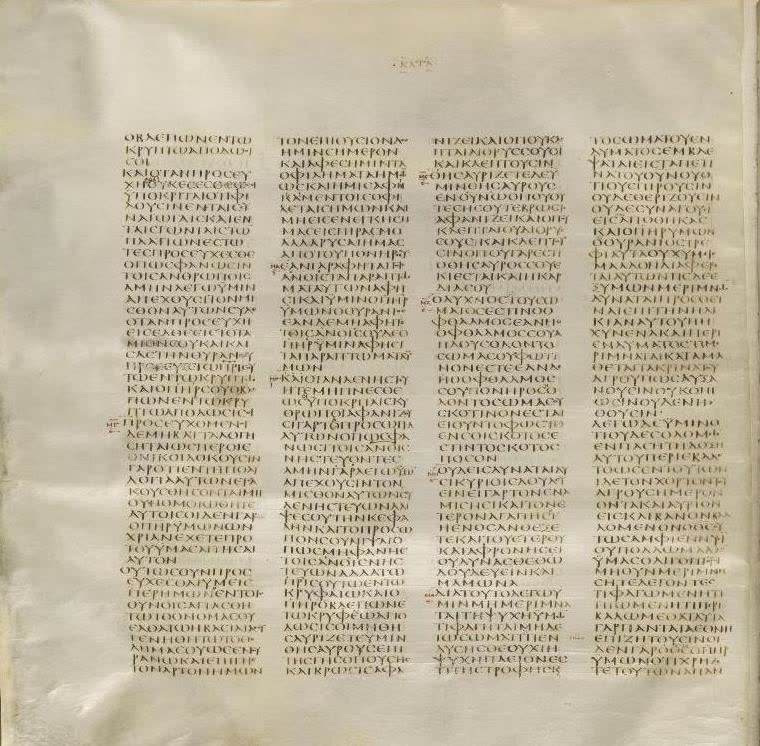
Unknown scribe, 4th century · Public domain
The Historical Evidence
500–1500 AD · 9 Parts
The thousand years that changed everything. A focused examination of medieval Christendom as the literal fulfillment of Revelation 20’s millennial prophecy — covering the theological foundation, legal evidence, historical reality, architectural proof, and what it means for today.
What If the Millennium Already Happened?
For most of Christian history, believers understood Revelation 20’s “thousand years” as describing the Church Age itself — the period when Satan was bound, Christ reigned through His Church, and the gospel spread to all nations.
This wasn’t heresy. This was orthodoxy.
Part-by-Part Walkthrough
- The Theological FoundationAugustine’s revolutionary reinterpretation, Tyconius’s bridge, and the biblical texts supporting the present-millennium view — Luke 10:18, Mark 3:27, Colossians 2:15, Matthew 28:18.
- The Legal EvidenceThe Theodosian Code banning all pagan worship. The Council of Elvira’s strict separation. Charlemagne’s Saxon Capitulary making refusal of baptism a capital offense.
- The Historical RealityChristianity’s expansion from persecuted minority to civilization-shaping force — the demographic transformation that fulfilled Matthew 24:14.
- The Architectural ProofCathedrals as theology in stone — physical representations of the Kingdom of Heaven, built by people who believed they were living in the millennium.
- The SynthesisFour independent lines of evidence converging on a single conclusion: medieval Christendom was the millennium described in Revelation 20.
- The Little Season: Where We Are NOWGlobal deception, rapid moral collapse, ancient prohibitions mocked, Christianity persecuted — not signs the millennium is coming, but signs it already ended.
Signs the Millennium Ended
Global deception unprecedented in history
Rapid moral collapse across all nations
Ancient biblical prohibitions openly mocked
Christianity persecuted and compromised
Technology enabling global surveillance
Spiritual warfare intensifying
What This Means for You
If the millennium already happened and we’re living in the little season — then understanding the times isn’t optional. This is the accessible entry point for anyone new to the amillennial thesis.
Bring your questions on the hidden history to the Scripture Desk →
The Evidence on the Table
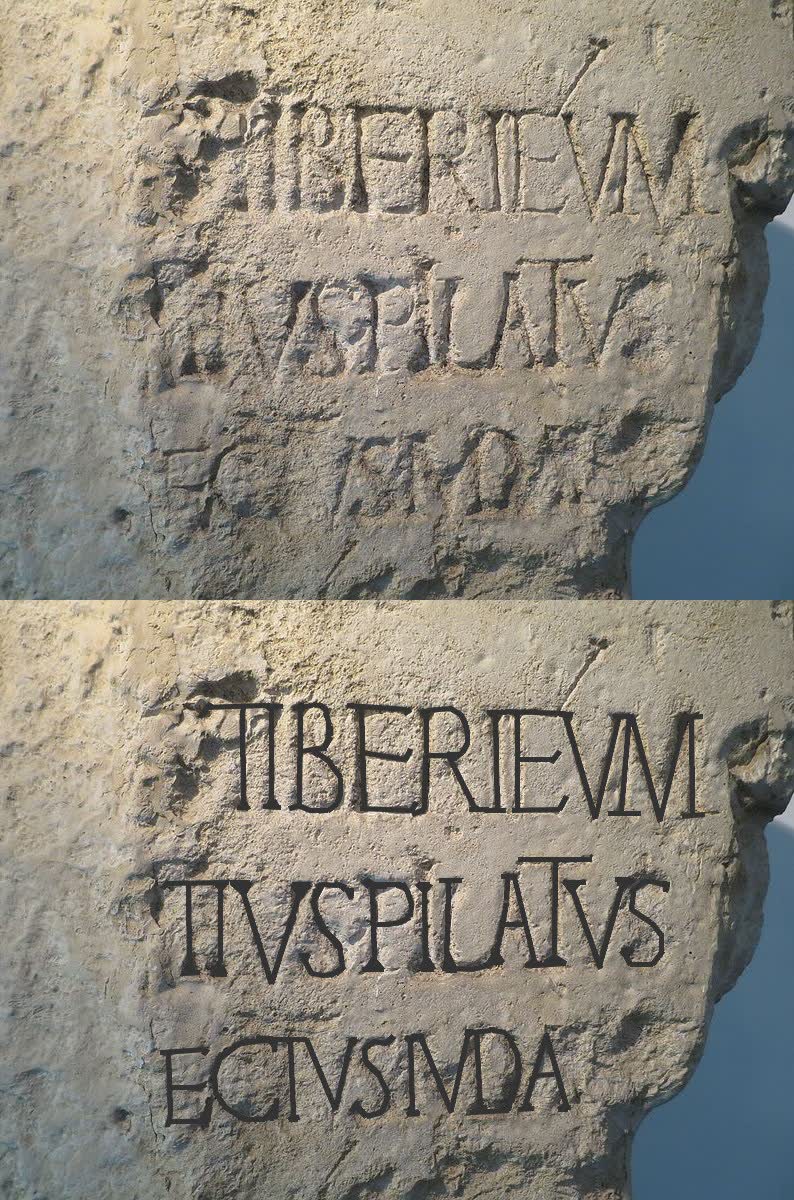
The Pilate Stone (shown in replica; the original, 1st century AD, was found at Caesarea Maritima) — the inscription naming Pontius Pilate, prefect of Judea, the governor of the Gospels.
Reinhard Dietrich · CC BY-SA 4.0
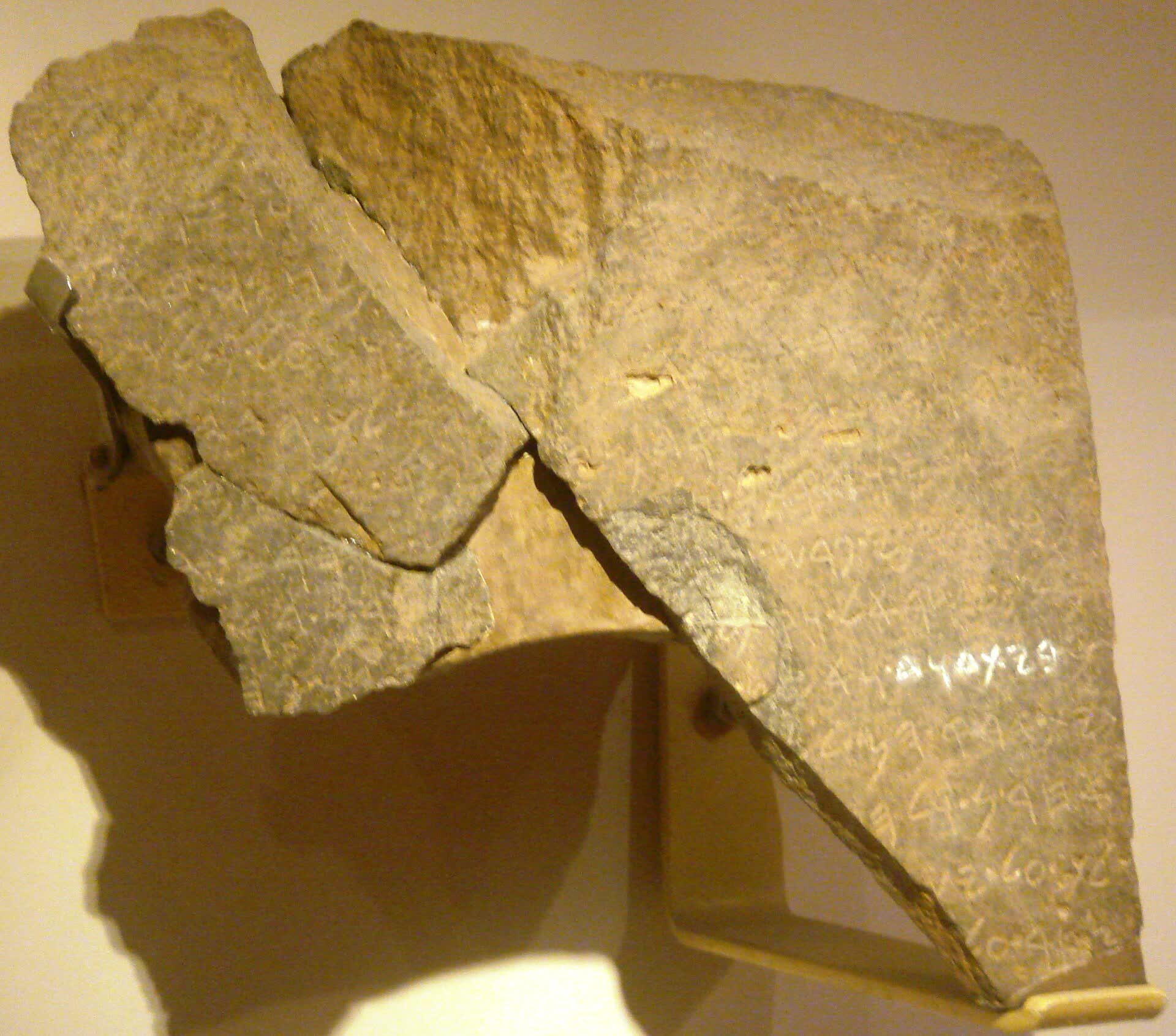
The Tel Dan Stele (9th century BC, northern Israel) — the first inscription found outside the Bible to name the “House of David.”
בית השלום, Hebrew Wikipedia · Attribution
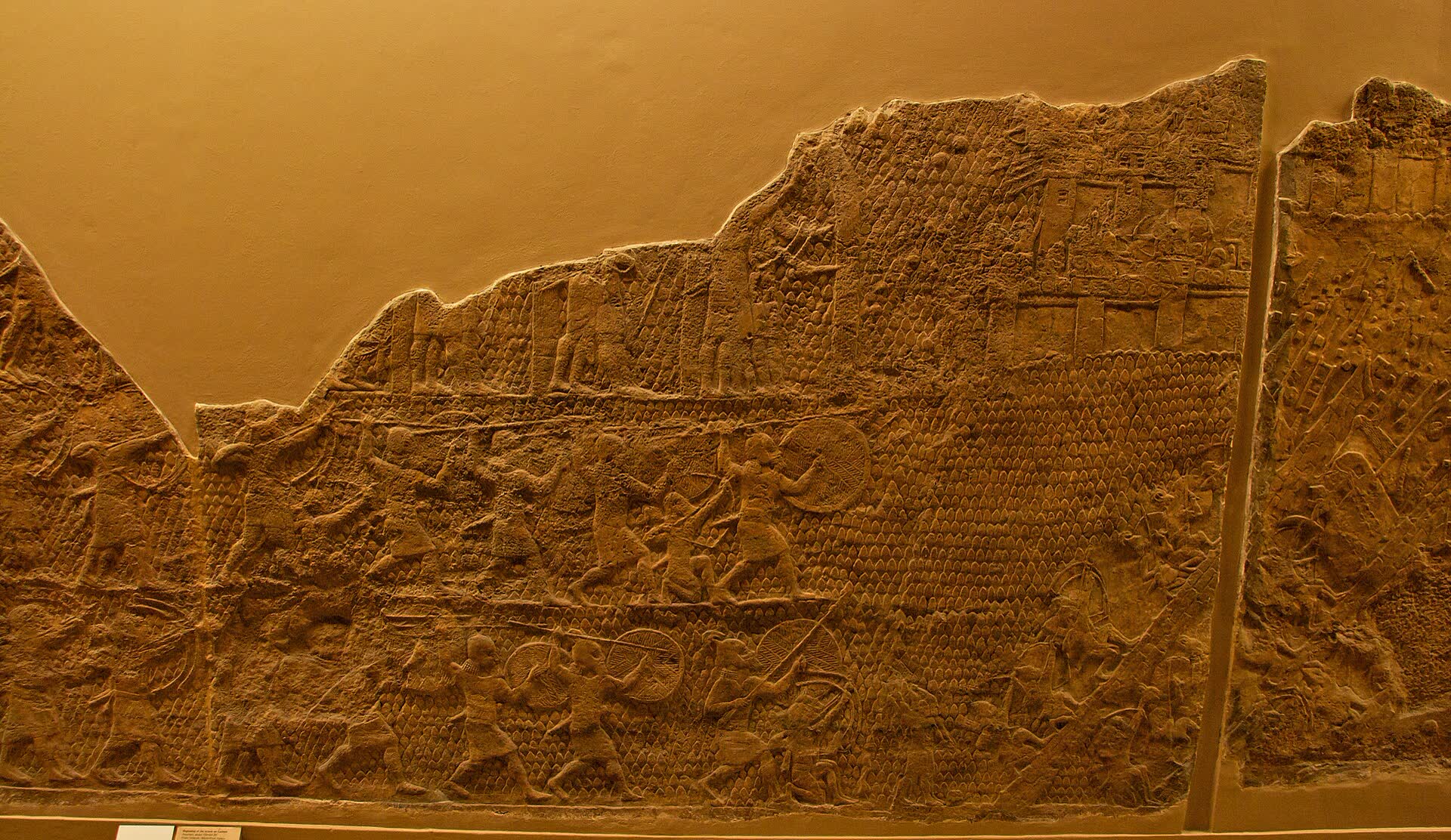
Assyrian palace relief from Nineveh (c. 700 BC) depicting the siege of Lachish — a battle the Bible records in 2 Kings 18, carved by the other side.
Mike Peel · CC BY-SA 4.0
Where I'm honest with you
Some of what you'll read here is supported by mainstream scholarship and peer-reviewed research. Some of it is my conviction — what I believe Scripture and the evidence point to, but which the academic world does not accept. I've marked which is which. The rows marked ✗ above are conviction, not established fact. Test everything like a Berean: "These were more noble than those in Thessalonica, in that they received the word with all readiness of mind, and searched the scriptures daily, whether those things were so" (Acts 17:11, KJV).
"Remember the former things of old: for I am God, and there is none else; I am God, and there is none like me." — Isaiah 46:9 (KJV)