Disciple · Evidence
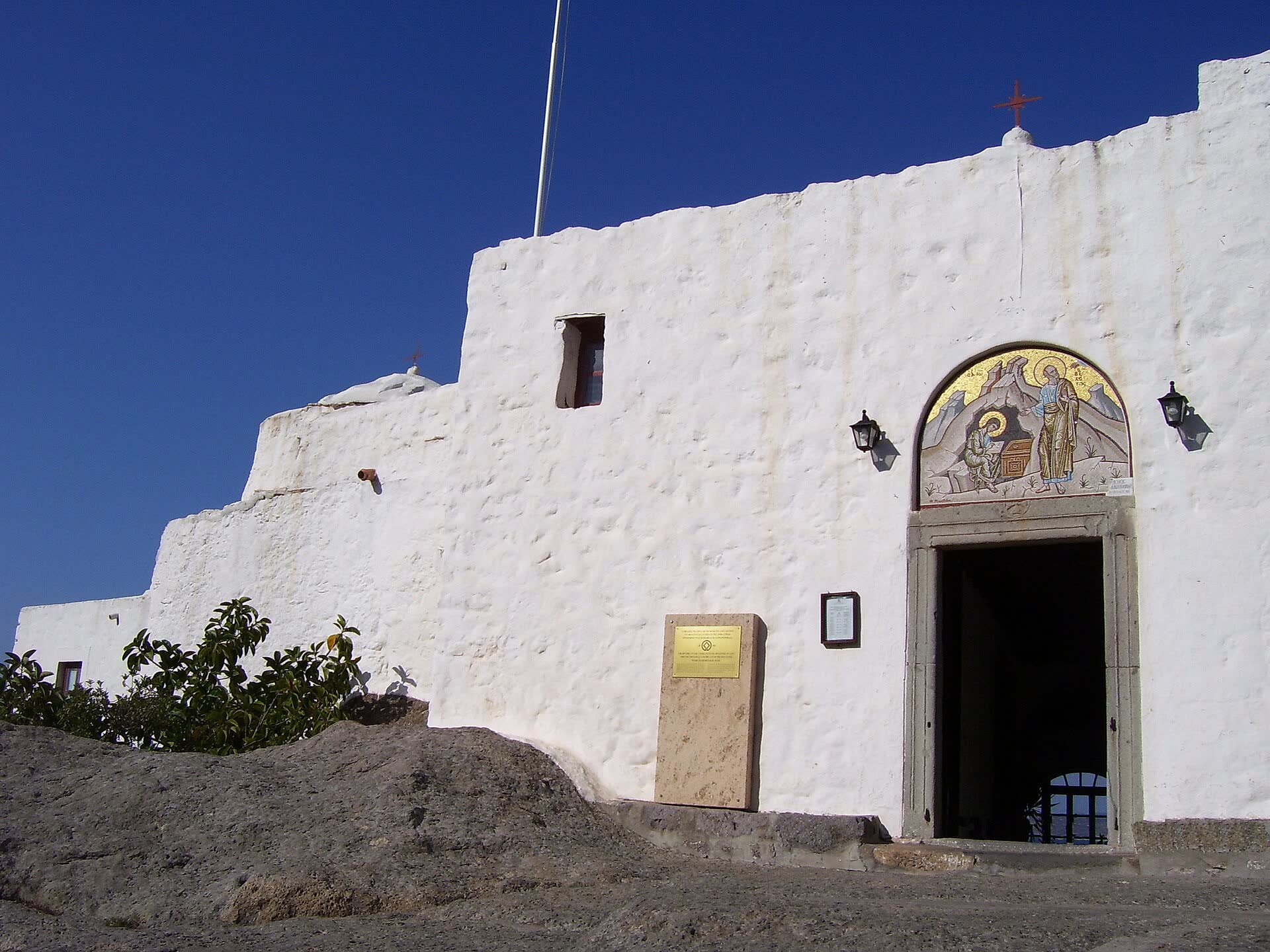
Vladimir Boskovic at English Wikipedia · Public domain
The Millennial Reign
30,000+ Words · 12 Parts · Comprehensive Research Report
The fullest presentation of the medieval-millennium thesis — integrating four pillars of evidence into a complete case for understanding medieval Christendom (500–1500 AD) as the literal manifestation of Revelation 20.
The 500–1500 AD dating is my conviction — a particular reading, not the mainstream position or a settled consensus. Test it yourself (Acts 17:11).
The Four Pillars
Theological Justification
Augustine’s reinterpretation of Revelation 20 established that the millennium had already begun with Christ’s first advent. Satan was bound; the Church ruled as the earthly manifestation of Christ’s heavenly kingdom.
Legal Enforcement
From the Theodosian Code through Charlemagne’s capitularies to the Inquisition, law was weaponized to purify Christendom — understood not as religious persecution but as the necessary cleansing of Christ’s earthly kingdom.
Historical Reality
Christianity expanded from ~1,000 followers in 40 AD to 35 million by 400 AD, spanning Britain to China by 800 AD. This unprecedented transformation was understood as fulfillment of Christ’s prophecy.
Architectural Manifestation
Hagia Sophia, Chartres, Notre-Dame, Amiens, Cologne, Reims — deliberately designed as physical representations of the Kingdom of Heaven. Every element was theological assertion that Christ reigned already.
The Theological Journey
How the Church moved from expecting a future millennium to recognizing the present one.
Literal premillennialist — expected future earthly kingdom
Defended millennial doctrine as apostolic tradition
Pioneered allegorical interpretation, attacked literal millennium
The bridge — proposed millennium as present Church age
Established amillennialism as orthodoxy in City of God
Inside the Full Report
30,000+ words across 11 parts.
- Executive Summary and Thesis Statement
- Theological Foundations: From Early Chiliasm to Augustinian Amillennialism
- Medieval Law and the Suppression of Paganism
- Imperial Transformation: Constantine, Theodosius, and Christianization
- Charlemagne and the Holy Roman Empire
- Historical Demographics and Geographic Expansion
- Monastic Orders, Universities, and Intellectual Life
- Byzantine, Romanesque, and Gothic Architecture
- Economics, Society, and Social Organization
- Synthesis and Comprehensive Analysis
- Conclusion: Why the Millennial Reign Matters Today
Why This Matters Today
Medieval Christendom understood itself not as preparing for Christ’s kingdom but as living in it, administering it, and manifesting it in law, culture, art, and architecture. If that civilization was the millennium — then understanding where we are now changes everything.
To be clear about the tiers: that a millennial reign is taught in Revelation 20 is Scripture; that it maps onto 500–1500 AD is my conviction, not established consensus. Weigh the case for yourself.
Bring your questions on the millennial reign to the Scripture Desk →

The Evidence on the Table
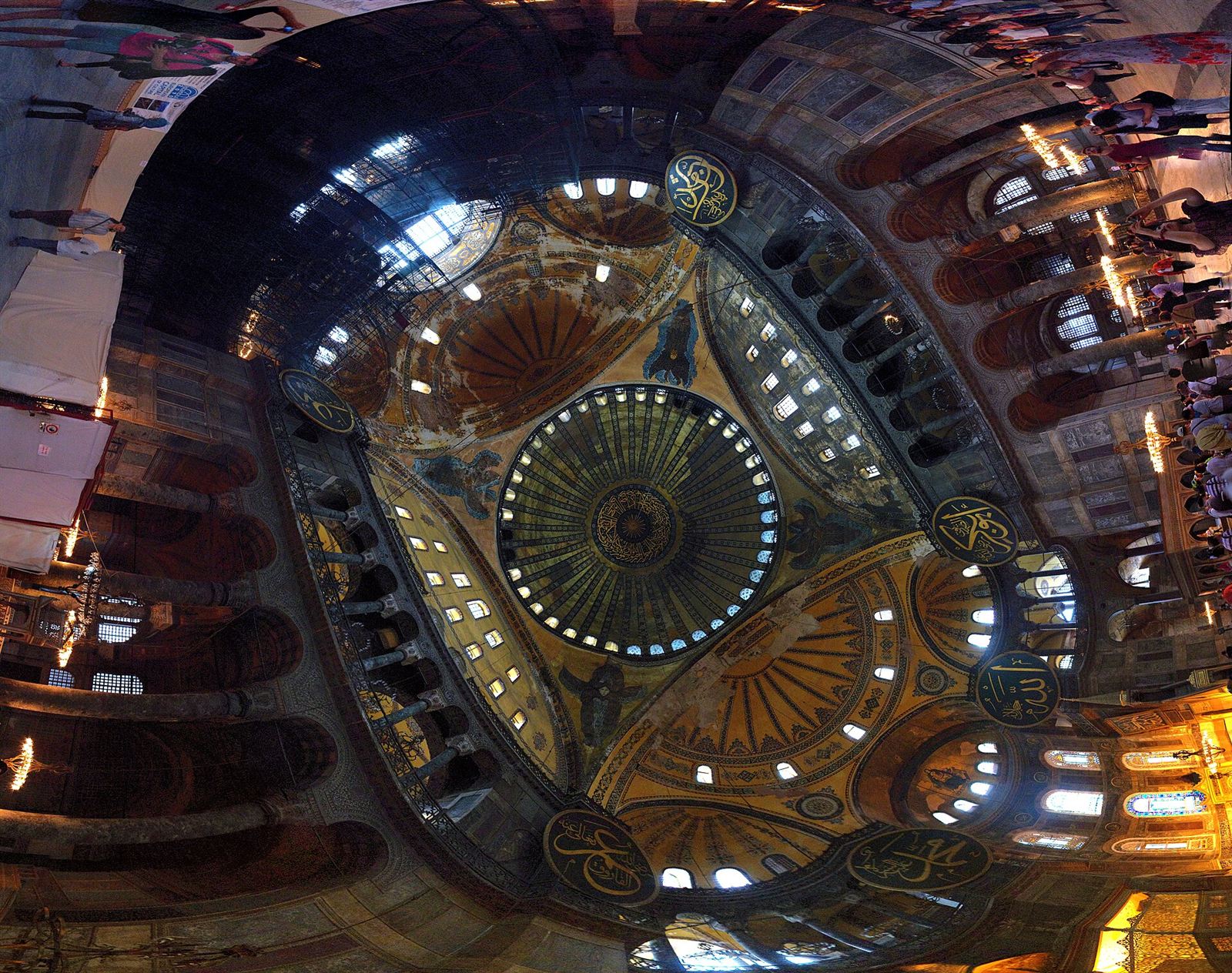
Hagia Sophia, consecrated in 537 AD — for a thousand years the largest church in the world.
Ronan Reinart · CC BY-SA 3.0
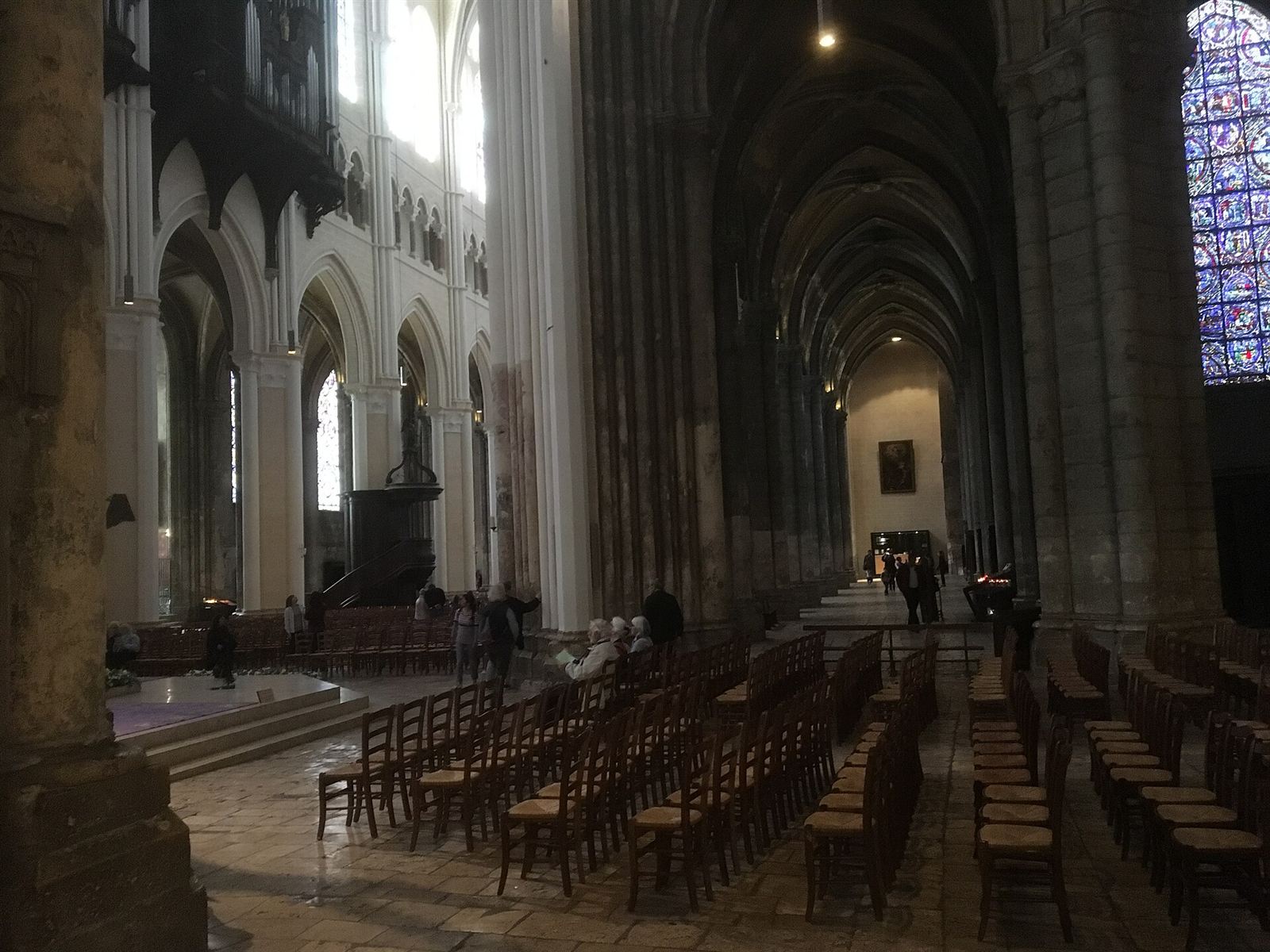
The nave of Chartres Cathedral (13th century) — built across generations by workers who knew they would never see it finished.
Stephen Taber · CC BY-SA 4.0
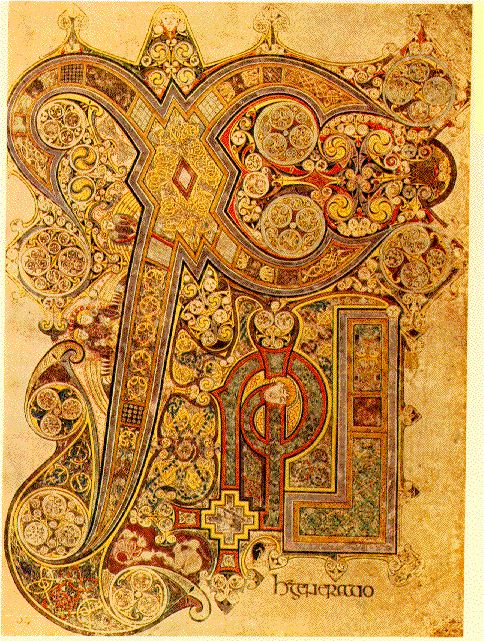
The Chi-Rho page of the Book of Kells (c. 800 AD) — an entire illuminated page given to the first two letters of Christ’s name.
Irish monks, c. 800 · Public domain
Where I'm honest with you
Some of what you'll read here is supported by mainstream scholarship and peer-reviewed research. Some of it is my conviction — what I believe Scripture and the evidence point to, but which the academic world does not accept. I've marked which is which. The rows marked ✗ above are conviction, not established fact. Test everything like a Berean: "These were more noble than those in Thessalonica, in that they received the word with all readiness of mind, and searched the scriptures daily, whether those things were so" (Acts 17:11, KJV).
"And they lived and reigned with Christ a thousand years." — Revelation 20:4 (KJV)